Comparing Auto Insurance for Classic and Collector Cars
Explore comparing auto insurance for classic and collector cars. Find specialized coverage that protects the unique value of your vintage vehicle.
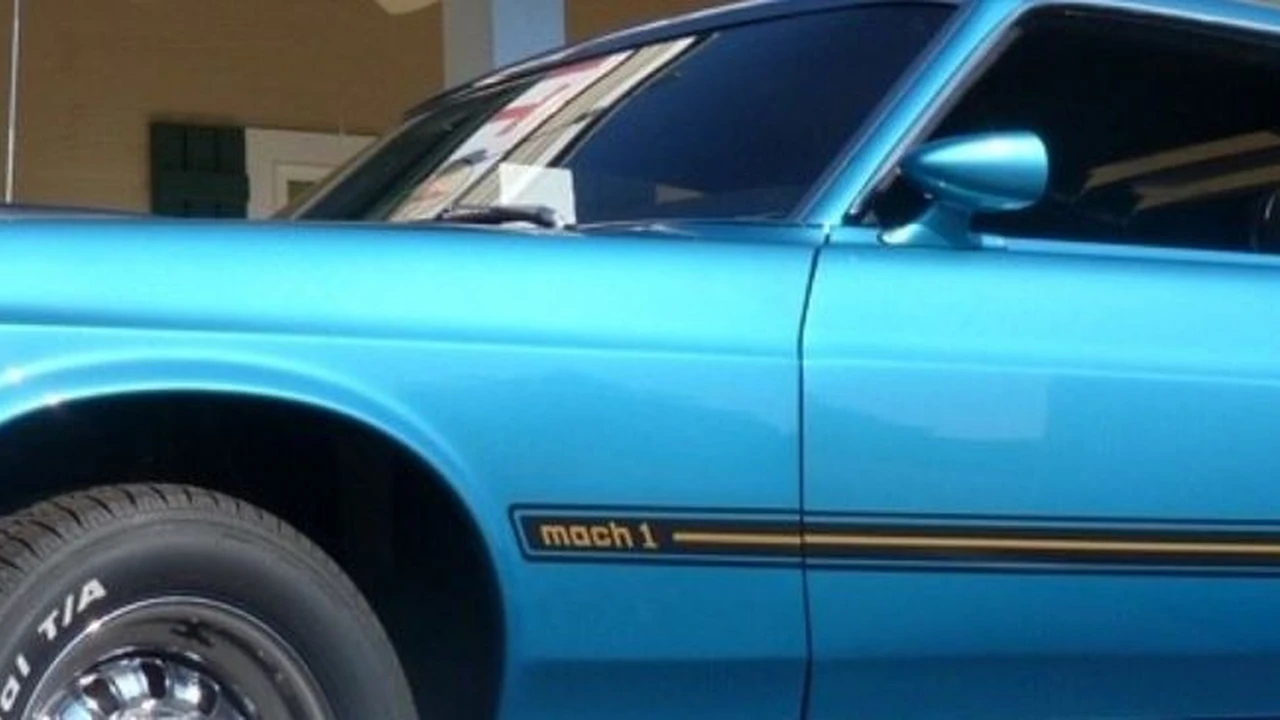
Explore comparing auto insurance for classic and collector cars. Find specialized coverage that protects the unique value of your vintage vehicle.
Comparing Auto Insurance for Classic and Collector Cars
Hey there, fellow car enthusiasts! If you're the proud owner of a classic beauty or a rare collector's item, you already know that these aren't just cars; they're investments, pieces of history, and often, a labor of love. So, it stands to reason that insuring them isn't quite the same as getting a policy for your daily driver. You need specialized coverage that truly understands and protects the unique value of your vintage vehicle. Let's dive into what makes classic car insurance different, what to look for, and some top providers to consider.
Why Standard Auto Insurance Falls Short for Classic Cars
First off, why can't you just use your regular car insurance for your classic? Well, standard auto insurance policies are designed for depreciation. They assume your car loses value over time, and in the event of a total loss, they'll pay out the actual cash value (ACV) – which is often far less than what your classic is truly worth. For a classic car, which often appreciates in value or holds a steady, high value, this simply won't do. You need a policy that recognizes the unique characteristics and value of your prized possession.
Key Features of Classic Car Insurance Policies
When you're looking at classic car insurance, there are a few crucial features that set it apart. Understanding these will help you pick the right policy.
Agreed Value Coverage Explained for Classic Car Owners
This is probably the most important difference. With an agreed value policy, you and the insurance company agree on the car's value upfront. If your classic is a total loss, you get that agreed-upon amount, no questions asked, no depreciation deductions. This is a huge peace of mind for any collector. Make sure this is a cornerstone of any policy you consider.
Limited Usage and Storage Requirements for Vintage Vehicles
Classic car insurance often comes with stipulations about how much you drive your car and how it's stored. Insurers understand that these cars aren't typically daily commuters. Policies usually have mileage limits (e.g., 2,500 or 5,000 miles per year) and require the car to be stored in a secure, enclosed garage. This limited usage and secure storage are what allow insurers to offer more favorable rates and specialized coverage.
Specialized Repair and Restoration Coverage for Collector Cars
If your classic car needs repairs, you don't want just any mechanic working on it. Classic car policies often include provisions for using specialized repair shops and original equipment manufacturer (OEM) parts or even sourcing rare vintage parts. Some policies even cover the cost of a professional restoration if your car is damaged.
Roadside Assistance and Towing for Classic Vehicles
Breaking down in a classic can be a bit more complicated than in a modern car. Look for policies that offer specialized roadside assistance, including flatbed towing, to ensure your vehicle is transported safely and without further damage.
Coverage for Spare Parts and Automobilia Collections
Many collectors also have a stash of spare parts, tools, or even automobilia (car-related collectibles). Some classic car policies offer coverage for these items, which can be incredibly valuable on their own.
Top Classic Car Insurance Providers and Their Offerings
Alright, let's talk about some of the big players in the classic car insurance game. These companies specialize in this niche, so they truly understand the needs of collectors.
Hagerty Insurance Review and Coverage Options
Hagerty is practically synonymous with classic car insurance. They are a giant in the industry and for good reason. They offer agreed value coverage, flexible usage plans, and specialized claims handling. They also provide roadside assistance specifically designed for classics, coverage for spare parts, and even overseas shipping coverage for car tours. Hagerty also has a huge community aspect, with valuation tools, events, and a magazine. Their policies are generally very comprehensive, and they are known for their excellent customer service and deep understanding of the collector car market. They often have competitive pricing, especially for well-maintained, securely stored vehicles with limited annual mileage. For example, a 1965 Ford Mustang valued at $40,000, driven 2,500 miles annually, and stored in a locked garage, might see premiums ranging from $400-$700 per year, depending on location and driver history. They also offer coverage for newer collector vehicles, modified cars, and even vintage motorcycles.
Grundy Insurance for High Value Collector Vehicles
Grundy is another highly respected name in classic car insurance, often favored by owners of higher-value or more exotic classics. They also offer agreed value coverage and are known for their 'no mileage limits' option, which can be a huge plus for those who want to enjoy their classics more frequently without worrying about exceeding a cap. However, this usually comes with the expectation that the car is not a daily driver. Grundy also provides coverage for spare parts, automobilia, and even vehicles undergoing restoration. Their policies are often very flexible and can be tailored to specific needs. For a 1970 Chevrolet Chevelle SS valued at $60,000, with no mileage restrictions (but still not a daily driver), premiums could be in the $600-$1,000 range annually. They are particularly strong for collections and high-net-worth individuals with multiple classic vehicles.
American Modern Insurance Group for Unique Classic Cars
American Modern is a great option if you have a more unique or custom classic car that might not fit the mold of traditional policies. They offer agreed value coverage and are often more flexible with modified vehicles, hot rods, and even kit cars. They also provide coverage for vehicles under construction or restoration, which is a huge benefit for those undertaking long-term projects. Their policies can be customized to include coverage for tools, equipment, and even trailers used to transport your classic. Pricing can vary widely depending on the customization and value, but they are known for finding solutions where other insurers might not. For a custom-built hot rod valued at $75,000, premiums might start around $700-$1,200 per year, reflecting the specialized nature of the vehicle.
J.C. Taylor Insurance for Vintage and Antique Automobiles
J.C. Taylor has been around for a long time, specializing in antique and classic car insurance since 1961. They offer agreed value coverage and are particularly strong for older vehicles, including pre-war cars and true antiques. They have a deep understanding of the unique needs of these very old vehicles, including sourcing parts and specialized repair processes. They also offer coverage for spare parts and tools. Their policies are generally straightforward and cater to the traditional classic car owner. A 1932 Ford Model B valued at $50,000 might have premiums in the $450-$800 range annually, depending on usage and storage.
Leland West Insurance for Exotic and High-End Collector Cars
Leland West focuses on high-end, exotic, and luxury collector cars. If you have a Ferrari, Lamborghini, or a rare Porsche, Leland West might be a great fit. They offer agreed value coverage, often with higher limits, and cater to the specific needs of these very valuable vehicles. They understand the nuances of international travel, specialized security, and the unique repair requirements of exotic cars. Their policies are premium, reflecting the value of the vehicles they insure, but they offer unparalleled expertise and service for this segment of the market. For a 1980s Ferrari Testarossa valued at $250,000, annual premiums could easily be in the $2,000-$5,000+ range, depending on various factors.
Comparing Specific Product Scenarios and Pricing Examples
Let's look at a few hypothetical scenarios to give you a better idea of how these policies might compare.
Scenario 1: The Weekend Cruiser 1969 Chevrolet Camaro SS
- Vehicle: 1969 Chevrolet Camaro SS, agreed value $55,000
- Usage: Weekend drives, car shows, less than 3,000 miles/year
- Storage: Locked private garage
- Driver: 50-year-old with a clean driving record
- Recommended Providers: Hagerty, Grundy, J.C. Taylor
- Estimated Annual Premium:
- Hagerty: $500 - $800 (Excellent agreed value, specialized roadside)
- Grundy: $550 - $850 (Potentially no mileage limit option, good for occasional longer trips)
- J.C. Taylor: $480 - $750 (Solid, traditional coverage)
Scenario 2: The Restored Classic 1957 Porsche 356 Speedster Replica
- Vehicle: 1957 Porsche 356 Speedster Replica (high-quality build), agreed value $70,000
- Usage: Occasional drives, club events, less than 2,000 miles/year
- Storage: Climate-controlled garage
- Driver: 60-year-old, clean record, experienced collector
- Recommended Providers: American Modern, Hagerty, Grundy
- Estimated Annual Premium:
- American Modern: $650 - $1,000 (Good for replicas/custom builds, flexible)
- Hagerty: $600 - $950 (Strong valuation expertise for unique vehicles)
- Grundy: $700 - $1,100 (High-value focus, potentially higher limits)
Scenario 3: The Emerging Collector 1990 Mazda Miata MX-5 (NA)
- Vehicle: 1990 Mazda Miata MX-5 (NA), agreed value $15,000 (well-preserved, low mileage)
- Usage: Fair weather drives, enthusiast meets, less than 4,000 miles/year
- Storage: Private garage
- Driver: 35-year-old, clean record, first classic car
- Recommended Providers: Hagerty, American Modern
- Estimated Annual Premium:
- Hagerty: $250 - $450 (Great entry-level classic policy, good for appreciating modern classics)
- American Modern: $280 - $500 (Flexible for slightly newer or modified classics)
Scenario 4: The High-End Exotic 1972 Ferrari Dino 246 GT
- Vehicle: 1972 Ferrari Dino 246 GT, agreed value $400,000
- Usage: Very limited, concourse events, occasional short drives, less than 1,000 miles/year
- Storage: Secure, climate-controlled facility with advanced security
- Driver: 55-year-old, extensive collection, impeccable driving record
- Recommended Providers: Leland West, Grundy, Hagerty Private Client
- Estimated Annual Premium:
- Leland West: $3,000 - $6,000+ (Specialized for high-value exotics, bespoke coverage)
- Grundy: $2,800 - $5,500+ (Strong for high-value collections, flexible terms)
- Hagerty Private Client: $3,200 - $6,500+ (Tailored solutions for ultra-high-net-worth collectors)
Tips for Getting the Best Classic Car Insurance Rates
Even with specialized insurance, there are ways to keep your premiums in check. Here are some smart moves:
Maintain a Clean Driving Record for Lower Premiums
This one's a no-brainer. A clean driving record is always going to get you better rates, whether it's for your daily driver or your classic. Insurers see you as a lower risk.
Secure Storage Solutions for Your Vintage Automobile
As mentioned, secure storage is key. A locked, private garage is usually a requirement. If you have a climate-controlled facility or advanced security systems, be sure to mention that – it can often lead to further discounts.
Join a Classic Car Club for Potential Discounts
Many classic car insurance providers offer discounts for members of recognized classic car clubs or organizations. It shows you're a serious enthusiast who likely takes good care of their vehicle.
Bundle Your Policies for Comprehensive Savings
While classic car insurance is specialized, some providers might offer discounts if you bundle it with your home insurance or other policies. It's always worth asking.
Consider a Higher Deductible for Reduced Annual Costs
If you're comfortable with it, opting for a higher deductible can lower your annual premium. Just make sure you have the funds readily available if you ever need to make a claim.
Accurate Valuation and Appraisal for Agreed Value Policies
Work with your insurer to get an accurate agreed value. This might involve providing recent appraisals, photos, and documentation of restoration work. The more accurately your car is valued, the better protected you'll be, and it ensures you're not overpaying for coverage on a lower-valued vehicle or under-insuring a high-value one.
Common Misconceptions About Classic Car Insurance
Let's clear up a few things that people often get wrong about classic car insurance.
Myth: All Old Cars Qualify as Classics for Insurance
Not every old car is a classic in the eyes of an insurer. Generally, a car needs to be at least 20-25 years old, maintained in good condition, and not used for daily driving. Some insurers have stricter criteria, focusing on collectibility and historical significance.
Myth: Classic Car Insurance is Always More Expensive
This isn't necessarily true. Because classic cars are driven less and typically stored securely, their insurance can often be more affordable than a standard policy for a modern car of similar value. The key is the limited usage and agreed value.
Myth: You Can Drive Your Classic Car Anywhere Anytime
Most classic car policies have usage restrictions. They're meant for pleasure drives, car shows, and club events, not for commuting or running errands. Exceeding mileage limits or using the car for purposes outside the policy's terms could void your coverage.
The Importance of Regular Appraisals for Your Collector Car
Your classic car's value isn't static. It can appreciate significantly, especially if it's a rare model, has a unique history, or undergoes a high-quality restoration. That's why regular appraisals are super important. You want to make sure your agreed value policy reflects the current market value of your vehicle. Most experts recommend getting an updated appraisal every 3-5 years, or sooner if you've made significant improvements or if market conditions for your specific model have changed dramatically. This ensures that if the worst happens, you're compensated fairly for your investment.
Protecting Your Investment: Beyond the Policy
While a great insurance policy is your primary safeguard, there are other steps you can take to protect your classic car investment.
Advanced Security Systems for Classic Car Protection
Consider installing advanced security systems, GPS trackers, and even battery cut-off switches. Not only do these deter theft, but some insurers might offer discounts for them. Always inform your insurer about any security upgrades.
Proper Maintenance and Storage for Longevity
Regular maintenance by a qualified classic car mechanic is crucial. Proper storage, including climate control to prevent rust and deterioration, also plays a huge role in preserving your car's value and condition. Keep detailed records of all maintenance and restoration work; these records contribute to your car's provenance and value.
Documenting Your Classic Car's History and Provenance
Keep meticulous records of your car's history, including ownership records, restoration photos, service receipts, and any awards or show history. This provenance can significantly increase your car's value and is invaluable for insurance purposes and future sales.
Insuring a classic or collector car is a specialized task, but with the right knowledge and the right provider, you can ensure your cherished vehicle is protected for years to come. Don't settle for a standard policy; your classic deserves better!
:max_bytes(150000):strip_icc()/277019-baked-pork-chops-with-cream-of-mushroom-soup-DDMFS-beauty-4x3-BG-7505-5762b731cf30447d9cbbbbbf387beafa.jpg)