What is Uninsured Motorist Coverage and Why You Need It
Understand what uninsured motorist coverage is and why you need it. Protect yourself from drivers without adequate insurance with this essential coverage.
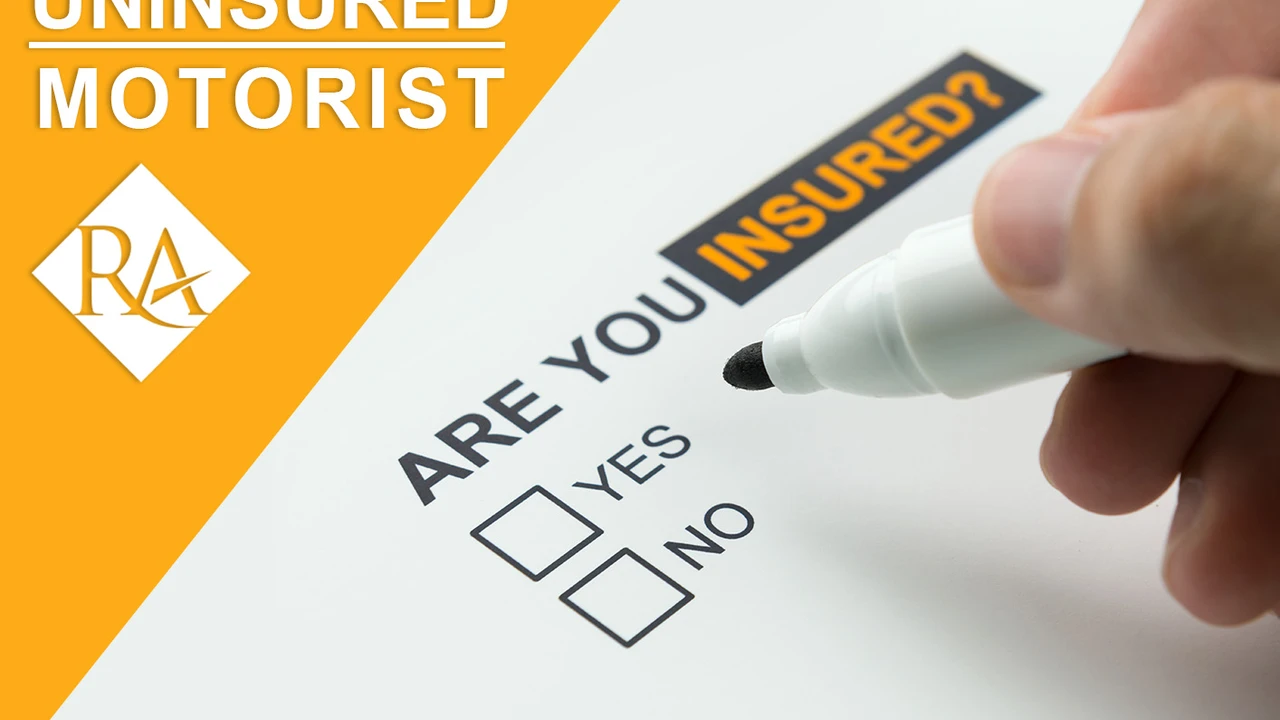
Understand what uninsured motorist coverage is and why you need it. Protect yourself from drivers without adequate insurance with this essential coverage.
What is Uninsured Motorist Coverage and Why You Need It
Understanding Uninsured Motorist Coverage UM UIM Explained
So, you've got your car insurance, right? Liability, collision, comprehensive – you think you're all set. But what happens if you're in an accident, and the other driver either doesn't have insurance at all, or they don't have enough to cover your damages? That's where Uninsured Motorist (UM) and Underinsured Motorist (UIM) coverage comes into play. It's a crucial, often overlooked, part of your policy that acts as a safety net, protecting you and your passengers when the at-fault driver can't. Think of it as insurance for when other people don't have enough insurance. It's not just about protecting your car; it's about protecting your finances and your well-being. Many people skip over UM/UIM because it's an extra cost, but the reality is, it's an investment in your peace of mind. The statistics on uninsured drivers are pretty sobering. In some states, the percentage of uninsured drivers can be as high as 20% or even more. That means one in five drivers you encounter on the road might not have any insurance. And even if they do have insurance, the minimum liability limits in many states are quite low, often not enough to cover serious injuries or significant property damage. So, while you might be a responsible driver with a great policy, you're still vulnerable to the financial consequences of someone else's negligence or lack of coverage.The Real Risks of Uninsured Drivers Protecting Yourself from Uninsured Motorists
Let's paint a picture. You're driving home, minding your own business, and suddenly, BAM! Another car swerves into your lane, causing a major collision. Your car is totaled, you've got a broken arm, and your passenger has a concussion. The other driver? They don't have insurance. Or maybe they only have the state minimum, which is $25,000 for bodily injury per person. Your medical bills alone could easily exceed that, not to mention lost wages, pain and suffering, and the cost to replace your vehicle. Without UM/UIM, you'd be left to pay for all of this out of your own pocket, or you'd have to sue the at-fault driver, which can be a long, expensive, and often fruitless endeavor if they don't have assets. This isn't a hypothetical scenario; it happens every day. The financial burden of an accident with an uninsured or underinsured driver can be devastating. It can lead to bankruptcy, significant debt, and a lot of stress. That's why UM/UIM isn't just a nice-to-have; it's a must-have for comprehensive protection. It ensures that even when the other party fails to meet their financial responsibilities, you're not left holding the bag.Types of Uninsured Motorist Coverage UM Bodily Injury and Property Damage
Uninsured Motorist coverage typically comes in two main forms: Uninsured Motorist Bodily Injury (UMBI) and Uninsured Motorist Property Damage (UMPD).Uninsured Motorist Bodily Injury UMBI Coverage Explained
UMBI is arguably the more critical of the two. It covers medical expenses, lost wages, pain and suffering, and other costs related to injuries you and your passengers sustain in an accident caused by an uninsured or hit-and-run driver. It essentially steps in to pay what the at-fault driver's liability insurance *should* have paid. This is incredibly important because medical costs can skyrocket quickly, and without UMBI, you'd be relying on your health insurance (which might have high deductibles and co-pays) or your personal injury protection (PIP) if you're in a no-fault state, which also has limits. UMBI provides a much broader safety net for your physical well-being and financial recovery.Uninsured Motorist Property Damage UMPD Coverage Explained
UMPD, on the other hand, covers the damage to your vehicle when an uninsured driver is at fault. This is similar to your collision coverage, but it kicks in specifically when the other driver has no insurance. In some states, UMPD might have a deductible, similar to collision. If you have collision coverage, you might wonder if UMPD is necessary. It can be, especially if your collision deductible is high. UMPD often has a lower or even no deductible in some cases, making it a more cost-effective way to get your car repaired after an accident with an uninsured driver. However, it's important to check your specific policy and state regulations, as UMPD isn't available in all states, or its benefits might be limited.Underinsured Motorist Coverage UIM What It Covers
Underinsured Motorist (UIM) coverage is closely related to UM, but it addresses a slightly different, yet equally common, problem. UIM kicks in when the at-fault driver *does* have insurance, but their liability limits aren't high enough to cover all your damages. For example, if the other driver has the state minimum of $25,000 for bodily injury, but your medical bills and lost wages total $50,000, your UIM coverage would pay the remaining $25,000 (up to your UIM limits). Without UIM, you'd be responsible for that difference. UIM is often bundled with UM coverage, and it's just as vital. Many drivers carry only the minimum required liability insurance, which, as mentioned, is often insufficient for serious accidents. UIM ensures that you're not left with significant out-of-pocket expenses simply because the other driver chose to carry inadequate coverage. It's about making sure you're fully compensated for your losses, regardless of the other driver's policy choices.How Much UM UIM Coverage Do You Need Recommended Coverage Levels
Deciding on the right amount of UM/UIM coverage is crucial. A good rule of thumb is to match your UM/UIM limits to your bodily injury liability limits. So, if you have $100,000/$300,000 in liability coverage (meaning $100,000 per person, $300,000 per accident), you should aim for the same for your UMBI. This ensures that you're protected to the same extent you're protecting others. Consider your personal financial situation as well. Do you have a high-paying job where lost wages would be significant? Do you have a family that relies on your income? Do you have excellent health insurance, or would you be relying heavily on your auto insurance for medical costs? These factors should influence your decision. While higher limits mean slightly higher premiums, the peace of mind and financial protection they offer are often well worth the investment. It's always better to be over-insured than under-insured when it comes to protecting your health and finances.Comparing UM UIM with Other Coverages PIP MedPay Collision
It's easy to get confused with all the different types of auto insurance coverage. Let's clarify how UM/UIM differs from Personal Injury Protection (PIP), Medical Payments (MedPay), and Collision coverage.UM UIM vs Personal Injury Protection PIP and Medical Payments MedPay
PIP and MedPay primarily cover your medical expenses and, in the case of PIP, lost wages, regardless of who is at fault. They are 'no-fault' coverages. However, they typically have lower limits than UMBI and don't cover pain and suffering. UMBI, on the other hand, is fault-based (it pays when the *other* driver is at fault and uninsured/underinsured) and generally offers much higher limits, covering a broader range of damages, including pain and suffering. In states where PIP is mandatory, UMBI acts as an important supplement, especially for severe injuries that exceed PIP limits.UM UIM vs Collision Coverage for Vehicle Damage
Collision coverage pays for damage to your own car if you hit another vehicle or object, or if your car rolls over, regardless of fault. UMPD specifically covers damage to your car when an *uninsured* driver is at fault. If you have collision coverage, it will generally cover the damage to your car even if the other driver is uninsured, but you'll pay your collision deductible. UMPD might offer a lower or no deductible in some cases, making it a more attractive option for property damage caused by an uninsured driver. It's worth noting that UMPD is not available in all states, and where it is, it might be optional.State Requirements for Uninsured Motorist Coverage Mandatory vs Optional
The requirements for UM/UIM coverage vary significantly from state to state. In some states, UM/UIM is mandatory, meaning you must purchase it as part of your auto insurance policy. In others, it's optional, but insurers are required to offer it to you, and you must formally reject it in writing if you don't want it. And in a few states, it might not be available at all, or only certain components are offered. It's crucial to understand your state's specific laws regarding UM/UIM. Even if it's optional in your state, strongly consider adding it. The cost is usually quite low compared to the immense financial protection it provides. A quick search for '[Your State] uninsured motorist coverage laws' will give you the most up-to-date information.Cost of Uninsured Motorist Coverage Is It Worth the Premium
The cost of UM/UIM coverage is generally quite affordable, especially when you consider the potential financial devastation it can prevent. It's typically a small percentage of your overall premium. Factors influencing the cost include your location, driving record, the limits you choose, and the specific insurance company. For example, adding $100,000/$300,000 UMBI coverage might only increase your annual premium by $50-$150, depending on these factors. This small investment can save you tens or even hundreds of thousands of dollars in the event of a serious accident with an uninsured or underinsured driver. Many people view insurance as an expense, but UM/UIM is truly an investment in your financial security. It's about protecting your assets, your income, and your ability to recover from an unexpected and costly event. When you weigh the relatively low cost against the potentially catastrophic financial consequences of not having it, the value of UM/UIM becomes abundantly clear.How to File an Uninsured Motorist Claim Step by Step Guide
Filing an uninsured motorist claim is similar to filing any other auto insurance claim, but with a few key differences. Here's a general step-by-step guide:- Report the Accident Immediately: As soon as it's safe, report the accident to the police. A police report is crucial, especially if the other driver is uninsured or flees the scene (hit-and-run).
- Gather Information: Even if the other driver claims to be uninsured, try to get their name, contact information, and vehicle details. If it's a hit-and-run, note down as much as you can about the vehicle (make, model, color, partial license plate).
- Seek Medical Attention: If you're injured, get medical help immediately. Your health and well-being are paramount. Keep detailed records of all medical treatments and expenses.
- Notify Your Insurer: Contact your insurance company as soon as possible to report the accident and inform them that the other driver is uninsured or underinsured.
- Provide Documentation: Your insurer will ask for details about the accident, the police report, medical records, and any other evidence you have. Be thorough and honest.
- Cooperate with the Investigation: Your insurer will investigate the claim, which may involve reviewing the police report, interviewing witnesses, and assessing damages.
- Negotiate and Settle: Once the investigation is complete and damages are assessed, your insurer will work with you to settle the claim, covering your losses up to your UM/UIM limits.
:max_bytes(150000):strip_icc()/277019-baked-pork-chops-with-cream-of-mushroom-soup-DDMFS-beauty-4x3-BG-7505-5762b731cf30447d9cbbbbbf387beafa.jpg)