Comparing Auto Insurance for New vs Used Cars
Compare auto insurance for new vs used cars. Discover how vehicle age and value influence your insurance costs and coverage needs.
Compare auto insurance for new vs used cars. Discover how vehicle age and value influence your insurance costs and coverage needs.
Comparing Auto Insurance for New vs Used Cars
Hey there! So, you're in the market for a car, huh? Maybe you're eyeing that shiny new model with all the latest tech, or perhaps a reliable used car is more your speed. Either way, one thing's for sure: you'll need auto insurance. But here's a question many folks don't think about until it's too late: does it matter if your car is new or used when it comes to insurance? Absolutely! The age and value of your vehicle play a huge role in how much you'll pay for coverage and what kind of coverage you'll even need. Let's dive deep into the world of auto insurance for new versus used cars, breaking down everything you need to know to make an informed decision and save some cash.
Understanding the Basics How Vehicle Value Impacts Premiums
First things first, let's talk about why a new car often costs more to insure than a used one. It boils down to a few key factors, primarily the vehicle's value and the cost of repairs. A brand-new car, fresh off the lot, has a higher market value. If it gets into an accident, the cost to repair or replace it will naturally be higher. Insurers factor this into your premium. They're essentially calculating their risk. A more expensive car means a higher potential payout for them if something goes wrong. This is especially true for comprehensive and collision coverage, which are designed to protect your vehicle itself.
Used cars, on the other hand, have depreciated in value. This means their market value is lower, and consequently, the cost to repair or replace them is also lower. This often translates to cheaper comprehensive and collision premiums. However, it's not always a straightforward equation. The age of the car, its make and model, its safety features, and even its theft rate can all influence the cost. For example, a 5-year-old luxury car might still be more expensive to insure than a brand-new economy car due to the cost of parts and specialized labor.
New Car Insurance Considerations What You Need to Know
When you buy a new car, especially if you're financing or leasing it, you'll almost certainly be required to carry full coverage insurance. This typically includes liability, collision, and comprehensive coverage. Why? Because the lender or leasing company wants to protect their investment. If the car is totaled, they want to ensure they get their money back. Here are some specific considerations for new cars:
Collision Coverage Protecting Your Investment from Accidents
Collision coverage pays for damages to your own vehicle if you hit another car, an object, or if your car rolls over. For a new car, this is non-negotiable. The cost of repairing even minor damage on a new vehicle can be substantial, and collision coverage ensures you're not left with a hefty bill. Think about a new Honda Civic EX, priced around $26,000. A fender bender could easily run into thousands of dollars in repairs, especially with advanced sensors and cameras integrated into the bumper. Without collision, that's all out of your pocket.
Comprehensive Coverage Guarding Against Non-Collision Damages
Comprehensive coverage protects your new car from damages not caused by a collision. This includes theft, vandalism, fire, natural disasters (like hail or floods), and even hitting an animal. New cars are often targets for theft due to their higher value and desirability. Imagine your brand-new Toyota RAV4, costing around $30,000, getting stolen. Comprehensive coverage would cover its replacement value, minus your deductible. This is crucial for peace of mind.
Gap Insurance Bridging the Depreciation Gap for New Vehicles
This is a big one for new car owners, especially if you're financing or leasing. Cars depreciate rapidly the moment they're driven off the lot. If your new car is totaled or stolen shortly after you buy it, your standard collision or comprehensive coverage will only pay out its actual cash value (ACV) at the time of the incident. This ACV might be less than what you still owe on your loan or lease. Gap insurance covers this 'gap' between what your car is worth and what you still owe. For example, if you bought a new Ford F-150 for $45,000 and it's totaled six months later, your insurer might only pay $38,000, but you still owe $42,000. Gap insurance would cover that $4,000 difference. Many dealerships offer gap insurance, but you can often find it cheaper through your auto insurer or a third-party provider. It's highly recommended for new car purchases, especially if you made a small down payment or have a long loan term.
New Car Replacement Coverage Getting a Brand New Car Back
Some insurers offer 'new car replacement' coverage as an add-on. This is different from gap insurance. If your new car is totaled within a certain timeframe (e.g., the first year or two, or within a certain mileage limit), this coverage will pay to replace it with a brand-new car of the same make and model, rather than just its depreciated actual cash value. This can be a fantastic option for ultimate peace of mind, though it will add to your premium. For instance, if your new Subaru Outback (around $32,000) is totaled after 10 months, new car replacement would get you another new Outback, not just the depreciated value.
Used Car Insurance Considerations Maximizing Value and Savings
With used cars, you have a bit more flexibility, especially if you own the car outright. You can decide how much coverage you truly need, balancing protection with cost. Here's what to consider:
Liability Coverage Your Essential Protection for Used Cars
Regardless of whether your car is new or used, liability insurance is legally required in almost every state and country. This covers damages and injuries you cause to other people and their property in an at-fault accident. Even if your used car is only worth a few thousand dollars, the potential costs of injuring someone or damaging their luxury vehicle can be astronomical. Always carry adequate liability coverage. For example, if you're driving a 10-year-old Toyota Corolla (worth maybe $8,000) and cause an accident that totals a new Mercedes-Benz (worth $60,000) and injures its occupants, your liability coverage is what protects your assets.
Collision and Comprehensive for Used Cars When to Keep Them
For used cars, especially older ones, you might consider dropping collision and comprehensive coverage. This is often a good idea if the annual cost of these coverages approaches or exceeds 10% of your car's actual cash value. For example, if your 15-year-old Nissan Altima is only worth $3,000, and collision and comprehensive cost you $500 a year with a $500 deductible, you're paying a significant portion of the car's value just to insure it against damage. In such cases, it might be more economical to self-insure for these risks, meaning you'd pay for repairs or replacement out of pocket. However, if your used car is still relatively valuable (e.g., a 3-year-old Honda CR-V worth $25,000), keeping collision and comprehensive is usually a smart move.
Roadside Assistance and Rental Car Reimbursement Practical Add-ons
Used cars, by their nature, might be more prone to breakdowns. Roadside assistance can be a lifesaver, covering towing, jump-starts, tire changes, and fuel delivery. Rental car reimbursement is also valuable if your used car needs repairs after a covered incident, ensuring you're not stranded without transportation. These are usually inexpensive add-ons that can provide significant convenience.
Comparing Specific Insurance Products and Providers for New vs Used Cars
Now, let's get into some specifics. While most major insurers offer policies for both new and used cars, some might have better rates or specialized features depending on your vehicle. It's always best to get multiple quotes.
Top Insurers for New Cars Focusing on Comprehensive Protection and Add-ons
When insuring a new car, you'll want an insurer that offers robust comprehensive and collision, excellent gap insurance options, and potentially new car replacement. Here are a few that often stand out:
- Geico: Known for competitive rates and a strong online presence. They offer gap insurance and often have good discounts for new cars with advanced safety features. Their mobile app is also highly rated for claims and policy management.
- State Farm: A large, established insurer with a wide network of agents. They offer gap insurance and have a reputation for good customer service, which can be valuable if you need to file a claim on a new, expensive vehicle. They also have a 'Drive Safe & Save' program that can offer discounts based on driving habits.
- Progressive: Often a good choice for those looking to compare rates easily. They offer gap insurance and have a 'Snapshot' program that can provide discounts for safe driving. They also have a 'Name Your Price' tool that can help you find coverage within your budget.
- Allstate: Offers a variety of add-ons, including new car replacement coverage (often called 'New Car Extended Protection') and gap insurance. Their 'Drivewise' program can also help reduce premiums for safe drivers.
- Liberty Mutual: Provides a range of coverage options and discounts. They offer 'Better Car Replacement' which is similar to new car replacement, giving you a car one model year newer with 15,000 fewer miles if yours is totaled.
Example Scenario: You just bought a new Tesla Model 3 (around $40,000). You'd want comprehensive, collision, and definitely gap insurance. Geico or Progressive might offer competitive rates, while Allstate or Liberty Mutual could provide new car replacement options for added peace of mind. Expect to pay anywhere from $1,500 to $3,000+ annually for full coverage, depending on your location, driving record, and chosen deductibles.
Top Insurers for Used Cars Balancing Cost and Essential Coverage
For used cars, especially older ones, you might prioritize affordability while still ensuring adequate liability. Insurers known for good rates on older vehicles or flexible coverage options can be beneficial:
- Root Insurance: This app-based insurer focuses heavily on telematics, meaning your driving habits directly influence your rates. If you're a safe driver with a used car, you could see significant savings. They might be a good fit for a reliable used car like a 5-year-old Honda Civic.
- Erie Insurance: Often praised for excellent customer service and competitive rates, especially in the regions they serve. They offer a 'Rate Lock' feature, which can prevent your rates from increasing due to minor accidents. Good for a well-maintained used car.
- USAA: Exclusively for military members, veterans, and their families, USAA consistently ranks high for customer satisfaction and competitive rates. If you qualify, they are almost always worth checking for both new and used cars.
- National General: Sometimes a good option for drivers who might have a less-than-perfect driving record or older vehicles, offering more flexible policy options.
- Local/Regional Insurers: Don't overlook smaller, regional insurance companies. They sometimes offer very competitive rates for used cars, as they might have lower overheads or a more localized risk assessment.
Example Scenario: You own a 2015 Toyota Camry (worth around $12,000). You want good liability coverage and maybe collision/comprehensive with a higher deductible to keep premiums low. Root or Erie might offer excellent rates. If you're a veteran, USAA is a strong contender. Annual premiums could range from $800 to $1,800, again depending on various factors.
The Impact of Safety Features on Insurance Premiums New vs Used
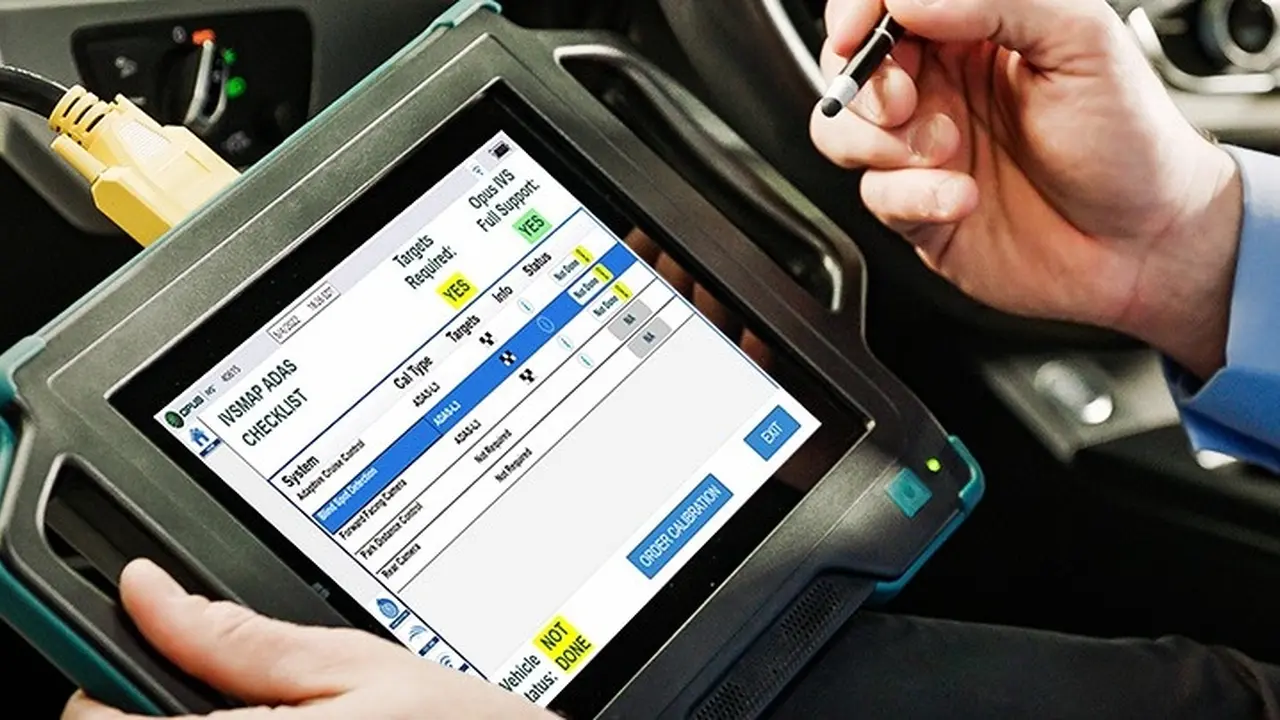
Modern cars, especially new ones, come packed with advanced safety features. Think automatic emergency braking, lane-keeping assist, blind-spot monitoring, adaptive cruise control, and multiple airbags. These Advanced Driver-Assistance Systems (ADAS) can significantly reduce the likelihood and severity of accidents. Insurers often offer discounts for vehicles equipped with these features because they reduce their risk.
However, there's a flip side. While ADAS can prevent accidents, if an accident does occur, repairing these complex systems can be incredibly expensive. A simple bumper replacement on a new car with sensors can cost thousands more than on an older car without them. This increased repair cost can sometimes offset the safety discounts, leading to higher overall premiums for new cars with advanced tech.
Used cars, especially older models, might lack these advanced features. While this means fewer potential discounts, it also means simpler, often cheaper, repairs if they do get into an accident. It's a trade-off you need to consider.
Driving Habits and Discounts How They Apply to Both New and Used Cars
Your driving habits are a huge factor in your insurance rates, regardless of your car's age. Safe drivers almost always pay less. Many insurers offer telematics programs (like Progressive's Snapshot, Geico's DriveEasy, or State Farm's Drive Safe & Save) that monitor your driving behavior (speeding, hard braking, mileage) and offer discounts based on how safely you drive. These programs can be beneficial for both new and used car owners who are confident in their driving skills.
Other common discounts that apply to both new and used cars include:
- Multi-policy discount: Bundling your auto insurance with home or renters insurance.
- Good driver discount: For maintaining a clean driving record over several years.
- Good student discount: For young drivers with good grades.
- Anti-theft device discount: For cars equipped with alarms or tracking systems.
- Low mileage discount: If you don't drive much.
When to Re-evaluate Your Coverage The Sweet Spot for Used Cars
For new cars, especially those financed or leased, full coverage is almost always necessary. But for used cars, there comes a point where the cost of comprehensive and collision coverage might outweigh the benefits. A general rule of thumb is to consider dropping these coverages when the annual premium for them (plus your deductible) is 10% or more of your car's actual cash value. For example, if your car is worth $5,000 and collision/comprehensive costs $600 annually with a $500 deductible, you're paying $1,100 to protect a $5,000 asset. At that point, it might be more financially sound to save that money and be prepared to pay for minor repairs or replacement yourself.
This 'sweet spot' usually occurs when a car is 8-10 years old, but it can vary greatly depending on the make, model, and condition of the vehicle. Always get an updated valuation of your car (e.g., from Kelley Blue Book or Edmunds) before making this decision.
The Bottom Line Making the Right Choice for Your Wallet and Peace of Mind
Choosing between a new and used car involves many factors, and insurance cost is definitely one of them. New cars generally come with higher insurance premiums due to their higher value, more expensive repair costs, and the need for specialized coverages like gap insurance. Used cars, while often cheaper to insure, require careful consideration of whether comprehensive and collision coverage are still financially sensible.
No matter which route you go, the key is to shop around. Get quotes from multiple insurers, compare coverage options, and ask about all available discounts. Don't just look at the premium; consider the deductible, the insurer's reputation for claims handling, and the specific add-ons that might be valuable for your chosen vehicle. By understanding these nuances, you can confidently navigate the world of auto insurance and ensure you're getting the best protection for your ride, whether it's fresh off the assembly line or has a few miles under its belt.
:max_bytes(150000):strip_icc()/277019-baked-pork-chops-with-cream-of-mushroom-soup-DDMFS-beauty-4x3-BG-7505-5762b731cf30447d9cbbbbbf387beafa.jpg)