How to Appeal a Denied Auto Insurance Claim
Learn how to appeal a denied auto insurance claim. Discover steps to challenge a denial and potentially get your claim approved.

Learn how to appeal a denied auto insurance claim. Discover steps to challenge a denial and potentially get your claim approved.
How to Appeal a Denied Auto Insurance Claim
Getting into a car accident is stressful enough, but having your auto insurance claim denied can feel like a punch to the gut. You pay your premiums diligently, expecting your insurance company to be there for you when you need them most. So, when they say 'no,' it's natural to feel frustrated, confused, and even angry. But here's the good news: a denied claim isn't always the final word. You have the right to appeal, and with the right approach, you might just turn that 'no' into a 'yes.' This comprehensive guide will walk you through everything you need to know about appealing a denied auto insurance claim, from understanding why it happened to successfully challenging the decision.
Understanding Why Your Auto Insurance Claim Was Denied Common Reasons and What They Mean
Before you can effectively appeal a denied claim, you need to understand why it was denied in the first place. Insurance companies are legally obligated to provide you with a reason for their denial. This reason will be outlined in a denial letter, which is a crucial document you'll need for your appeal. Here are some of the most common reasons for auto insurance claim denials:
Policy Exclusions and Limitations Understanding Your Coverage
One of the most frequent reasons for denial is that the damage or incident isn't covered by your specific policy. This often comes down to policy exclusions or limitations. For example:
- Lack of Specific Coverage: You might only have liability insurance, which covers damages to other vehicles and injuries to other people, but not your own vehicle. If your car is damaged in an at-fault accident and you don't have collision coverage, your claim for your own vehicle's repairs will be denied. Similarly, if your car is stolen and you only have liability and collision, your claim will be denied because theft falls under comprehensive coverage.
- Exclusions for Certain Activities: Some policies exclude damages that occur during specific activities, such as racing, off-roading, or using your personal vehicle for commercial purposes (like ridesharing or delivery without proper commercial insurance).
- Geographical Limitations: While less common for standard policies, some specialized policies might have geographical restrictions.
- Named Driver Exclusions: If the person driving your car at the time of the accident is specifically excluded from your policy, the claim will likely be denied.
What to do: Carefully review your policy documents. Look for the sections on 'exclusions,' 'limitations,' and 'definitions.' Compare the reason for denial with the exact wording of your policy. Sometimes, the insurance company might misinterpret a clause, or you might have misunderstood your coverage.
Lapsed Policy or Non-Payment of Premiums Ensuring Active Coverage
This is a straightforward but often overlooked reason. If your policy lapsed due to non-payment of premiums, or if you were late on a payment and the accident occurred during the grace period (or after it expired), your coverage might not have been active. Insurance companies typically send multiple notices before canceling a policy, but it's easy to miss them.
What to do: Check your payment history and policy effective dates. If you believe there was an error, gather proof of payment (bank statements, canceled checks) and contact your insurer immediately. Some states have regulations regarding grace periods, so it's worth checking your local laws.
Insufficient Evidence or Inconsistent Statements Documenting Your Claim
Insurance companies rely on evidence to process claims. If you haven't provided enough documentation, or if your statements (or those of witnesses) are inconsistent, they might deny the claim. This could include:
- Lack of Police Report: For significant accidents, a police report is often crucial.
- No Photos or Videos: Visual evidence of the accident scene, vehicle damage, and road conditions can be invaluable.
- Delayed Reporting: Most policies require you to report an accident within a reasonable timeframe. Significant delays can raise suspicion.
- Conflicting Accounts: If your description of the accident doesn't match witness statements, police reports, or the damage assessment, it can lead to denial.
What to do: Gather all available evidence: police reports, photos, videos, witness contact information, medical records (if applicable), and repair estimates. Review your initial statement to the insurance company and ensure it's consistent with the evidence.
Fraud or Misrepresentation Honesty is the Best Policy
Insurance companies take fraud very seriously. If they suspect you intentionally misrepresented facts, staged an accident, or provided false information on your application, they will deny your claim and may even pursue legal action. This can include:
- False Information on Application: Lying about your driving history, vehicle usage, or primary residence.
- Staged Accidents: Intentionally causing an accident to collect insurance money.
- Exaggerated Damages: Claiming more damage than actually occurred.
What to do: If you're accused of fraud, it's critical to seek legal counsel immediately. If it's a misunderstanding, provide clear documentation to prove your honesty.
Damage Below Deductible Understanding Your Out-of-Pocket Costs
This isn't a denial of coverage, but rather a statement that the cost of repairs is less than your deductible. In such cases, the insurance company won't pay anything because you're responsible for the first portion of the repair cost. For example, if your deductible is $1,000 and the damage is $800, your claim will effectively be 'denied' in terms of payout.
What to do: Understand your deductible amount. If the damage is truly below your deductible, you'll need to pay for repairs out of pocket. However, ensure the repair estimate is accurate and comprehensive.
Vehicle Not Insured or Not Listed on Policy Verifying Vehicle Details
If the vehicle involved in the accident isn't listed on your policy, or if you recently purchased a new vehicle and haven't added it yet (and are outside any grace period for new vehicle coverage), your claim will be denied.
What to do: Double-check your policy documents to ensure all vehicles you own and drive are listed. If you recently acquired a new vehicle, provide proof of purchase and the date you notified your insurer.
The Appeal Process Your Step-by-Step Guide to Challenging a Denial
Once you understand the reason for the denial, you can begin the appeal process. This isn't a quick fix, but a methodical approach can significantly increase your chances of success.
Step 1 Review the Denial Letter and Your Policy Documents Thorough Examination
This is your starting point. The denial letter should clearly state the reason for the denial and often cite specific policy language. Read it carefully. Then, pull out your entire auto insurance policy. Don't just skim it; read the relevant sections word for word. Highlight any clauses the insurer cited and any sections you believe support your claim. Look for:
- Coverage types: Do you have collision, comprehensive, uninsured motorist, etc.?
- Exclusions: Are there any specific situations where coverage is denied?
- Definitions: How does your policy define terms like 'accident,' 'damage,' or 'covered vehicle'?
- Reporting requirements: Did you meet the deadlines for reporting the accident and filing the claim?
Pro Tip: If you don't have a physical copy of your policy, request one from your insurance company. They are legally obligated to provide it.
Step 2 Gather All Supporting Documentation Building Your Case
This is where you build your arsenal of evidence. The more comprehensive and organized your documentation, the stronger your appeal. This includes:
- The Denial Letter: Keep this safe.
- Your Full Insurance Policy: Highlighted and annotated.
- Police Report: If one was filed. This is often the most objective account of the accident.
- Photos and Videos: Of the accident scene, vehicle damage, road conditions, and any relevant surroundings. Timestamped photos are best.
- Witness Statements: Contact information and written statements from anyone who saw the accident.
- Repair Estimates: Multiple estimates from reputable body shops can help establish the extent of the damage.
- Medical Records: If there were injuries, these are crucial.
- Communication Log: A detailed record of every interaction you've had with your insurance company (dates, times, names of representatives, what was discussed).
- Proof of Payments: Bank statements or receipts showing you paid your premiums on time.
- Vehicle Registration and Title: To prove ownership and that the vehicle was legally registered.
- Any other relevant documents: This could include dashcam footage, traffic camera footage, or even weather reports for the day of the accident.
Step 3 Write a Formal Appeal Letter Clear and Concise Communication
This is your official communication to the insurance company stating your disagreement with their decision. It should be professional, factual, and persuasive. Avoid emotional language. Here's what to include:
- Your Contact Information: Name, address, phone, email.
- Policy Number and Claim Number: Clearly stated at the top.
- Date of Denial Letter: Reference the specific letter you are appealing.
- Clear Statement of Intent: "I am writing to formally appeal the denial of my auto insurance claim [Claim Number] dated [Date of Denial Letter]."
- Reason for Denial (as stated by insurer): Briefly reiterate their reason.
- Your Argument: Explain why you believe the denial is incorrect. Refer to specific sections of your policy that support your claim and counter their stated reason.
- Supporting Evidence: List all the documents you are attaching as evidence. Refer to them specifically in your argument (e.g., "As evidenced by the attached police report, Exhibit A...").
- Desired Outcome: Clearly state what you want (e.g., "I request that you reconsider your decision and approve my claim for vehicle repairs.").
- Professional Closing: "Sincerely," followed by your signature and typed name.
Pro Tip: Keep a copy of everything you send, and send it via certified mail with a return receipt requested. This provides proof that the insurance company received your appeal.
Step 4 Escalate Within the Insurance Company Internal Review Process
Your initial appeal will likely go to a different department or a more senior claims adjuster. If your appeal is still denied, don't give up. Ask to speak with a supervisor or manager in the claims department. If that doesn't work, inquire about their internal appeals process. Many insurance companies have a formal process for reviewing denied claims at a higher level. Be persistent but polite.
Step 5 Contact Your State's Department of Insurance Regulatory Oversight
If you've exhausted the internal appeals process with your insurance company and still believe you've been unfairly denied, your next step is to contact your state's Department of Insurance (DOI) or equivalent regulatory body. This is a powerful step because the DOI oversees insurance companies and ensures they comply with state laws and regulations. They can:
- Review Your Case: They will investigate your complaint and review the insurance company's actions.
- Mediate: They may mediate a resolution between you and the insurer.
- Force Reconsideration: If they find the insurer acted improperly, they can compel the company to reconsider or even reverse its decision.
- Impose Penalties: If the insurer violated regulations, the DOI can fine them.
What to do: Visit your state's DOI website. They will have instructions on how to file a complaint. You'll need to provide all your documentation, including the denial letter, your appeal letter, and any correspondence with the insurance company.
Step 6 Consider Legal Action When to Consult an Attorney
If all else fails, and you still believe your claim was wrongfully denied, it might be time to consult an attorney specializing in insurance law. An attorney can:
- Review Your Case: Provide an objective assessment of the strength of your claim.
- Negotiate on Your Behalf: Often, the involvement of an attorney can prompt the insurance company to take your claim more seriously.
- File a Lawsuit: If necessary, they can file a lawsuit against the insurance company for breach of contract or bad faith.
When to consider legal action:
- The denied claim involves a significant amount of money.
- You believe the insurance company acted in bad faith (e.g., intentionally misled you, delayed processing without reason, or denied a clearly covered claim).
- You've exhausted all other avenues and are confident in your case.
Pro Tip: Many personal injury attorneys offer free initial consultations. It's worth speaking with one to understand your options.
Specific Product Recommendations and Scenarios Navigating Complex Denials
While the general appeal process remains consistent, certain scenarios and types of denials might benefit from specific tools or approaches. Here, we'll look at some common complex situations and how to tackle them, including some 'products' or services that can assist.
Scenario 1: Disputed Damage Assessment Independent Appraisals and Expert Opinions
Often, an insurance company might deny a claim or offer a low settlement because their adjuster's assessment of the damage differs significantly from yours or your chosen repair shop. They might claim the damage is pre-existing, not related to the accident, or less severe than reported.
Recommended 'Products' and Services:
- Independent Auto Appraisers: These are professionals who specialize in assessing vehicle damage and determining fair repair costs or total loss values. They are not affiliated with any insurance company and provide an unbiased opinion.
- Certified Body Shops: Get multiple detailed estimates from reputable, certified body shops. These estimates often include photos and a breakdown of parts and labor, which can counter a lowball offer from the insurer.
- ASE Certified Mechanics: For mechanical issues resulting from an accident, an ASE (Automotive Service Excellence) certified mechanic can provide an expert opinion on the cause and extent of damage.
Usage Scenario and Comparison:
Let's say your insurer's adjuster estimates $3,000 in damage, but your trusted body shop quotes $7,000, citing hidden frame damage. The insurer denies the additional $4,000. You would then hire an independent auto appraiser. They would inspect your vehicle, review the body shop's estimate, and provide their own detailed report. This report, often costing between $200-$500 (depending on complexity and location), serves as powerful evidence in your appeal. If the appraiser confirms the higher damage, you present their report to your insurer. This is often more effective than just presenting another body shop estimate because the appraiser is an independent, recognized expert.
Scenario 2: Disputed Liability Accident Reconstruction Specialists and Dashcams
If the insurance company denies your claim because they believe you were at fault (or more at fault than you claim), or if they dispute the sequence of events, you're dealing with a liability dispute. This is common in accidents without clear witnesses or conflicting police reports.
Recommended 'Products' and Services:
- Accident Reconstruction Specialists: These experts use scientific principles, physics, and evidence from the scene (skid marks, vehicle damage, debris) to determine how an accident occurred. They can create detailed reports and even 3D simulations.
- Dashcams: While not a 'product' for appeal, having a dashcam (front and rear) is the ultimate preventative measure. It provides irrefutable video evidence of what happened.
- Traffic Camera Footage: In urban areas, nearby traffic cameras or business surveillance cameras might have captured the accident.
Usage Scenario and Comparison:
Imagine you're involved in a T-bone collision at an intersection, and both you and the other driver claim to have had the green light. Your insurer denies your claim, stating insufficient evidence to prove the other driver's fault. If you had a dashcam (e.g., VIOFO A129 Pro Duo, typically $200-$250, records front and rear in 4K), the video footage would likely resolve the dispute instantly. Without it, you might need an accident reconstruction specialist. Their services can range from $1,000 to $5,000 or more, depending on the complexity. They would analyze police reports, vehicle damage, and potentially visit the scene to create a detailed report proving who had the right of way. This report would then be submitted as part of your appeal, carrying significant weight due to its scientific basis.
Scenario 3: Policy Interpretation Disputes Legal Counsel and Policy Review Services
Sometimes, the denial hinges on a specific clause in your policy that the insurance company interprets one way, and you interpret another. This is particularly common with complex coverages or unusual circumstances.
Recommended 'Products' and Services:
- Insurance Attorneys: As mentioned, an attorney specializing in insurance law can provide expert interpretation of policy language and argue your case effectively.
- Legal Aid Societies: For lower-income individuals, legal aid societies might offer free or low-cost legal advice on insurance matters.
- Consumer Advocacy Groups: Organizations like the Consumer Federation of America or local consumer protection agencies can sometimes offer guidance or resources.
Usage Scenario and Comparison:
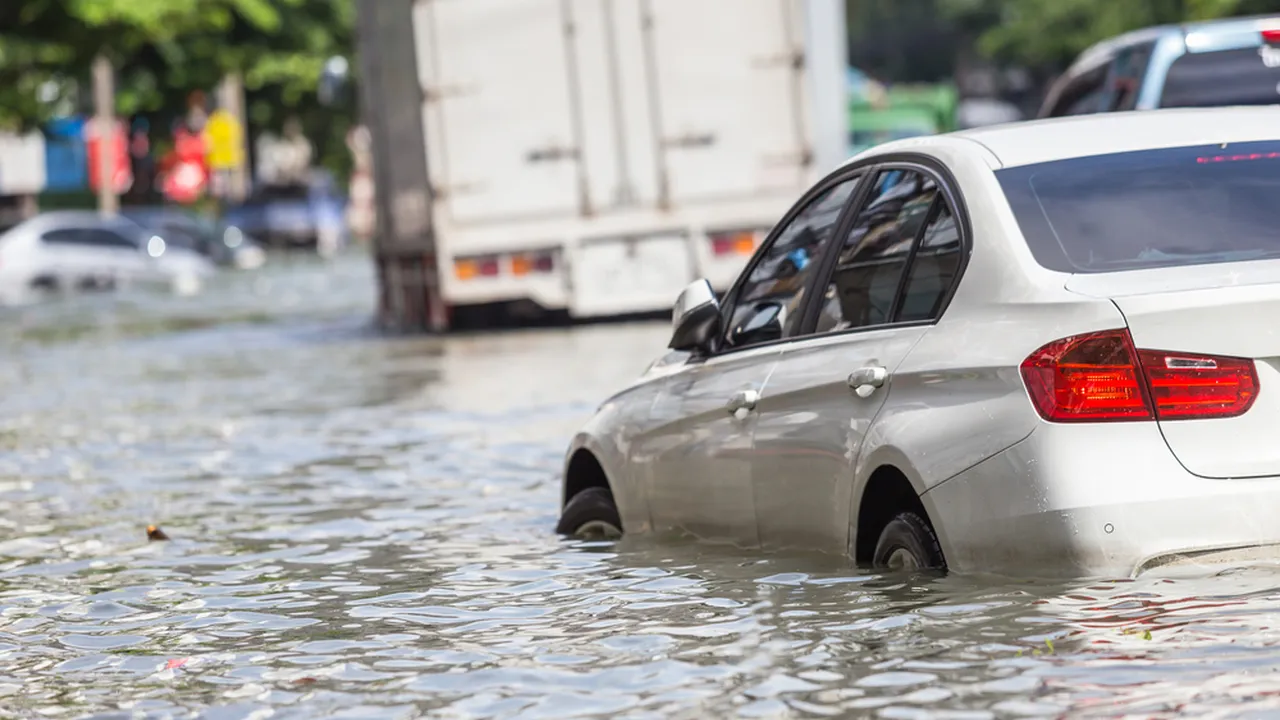
Your policy has a clause about 'acts of God' and your car was damaged in a flash flood. Your insurer denies the claim, stating floods are an 'act of God' and thus excluded. However, your comprehensive coverage explicitly states it covers 'flood damage.' This is a clear policy interpretation dispute. An insurance attorney (initial consultation often free, then hourly rates from $200-$500+) would review your policy, highlight the conflicting clauses, and argue that the specific 'flood damage' coverage should override the general 'acts of God' exclusion. Their legal letter alone can often prompt the insurer to reconsider, as they know an attorney is prepared to litigate if necessary.
Scenario 4: Bad Faith Practices State Department of Insurance and Legal Action
Bad faith refers to an insurance company's unreasonable or unfair refusal to pay a valid claim, or their failure to investigate a claim properly. This is more than just a denial; it's a breach of their contractual and legal obligations.
Recommended 'Products' and Services:
- State Department of Insurance: This is your first line of defense against bad faith. They investigate complaints and can impose penalties on insurers.
- Bad Faith Insurance Attorneys: These lawyers specialize in suing insurance companies for acting in bad faith. They often work on a contingency basis, meaning they only get paid if you win.
Usage Scenario and Comparison:
You've provided all necessary documentation, your claim is clearly covered, but the insurance company repeatedly delays processing, ignores your calls, or offers an absurdly low settlement without justification. This could be bad faith. After filing a complaint with your State Department of Insurance, if the issue persists, a bad faith attorney would be your next step. They would gather evidence of the insurer's unreasonable conduct (your communication log is crucial here) and pursue a lawsuit. While costly and time-consuming, a successful bad faith claim can result in not only the original claim amount but also additional damages for emotional distress and punitive damages against the insurer.
Preventative Measures How to Avoid Future Denials
While knowing how to appeal is important, preventing denials in the first place is even better. Here are some proactive steps you can take:
Regular Policy Review Annual Check-ups for Your Coverage
Don't just set and forget your insurance policy. Review it annually, especially if your life circumstances change. Did you buy a new car? Move to a new address? Get married? Start a ridesharing gig? Each of these can impact your coverage needs and potentially lead to a denial if not updated. Understand your deductibles, coverage limits, and any new exclusions.
Maintain Accurate Records Documentation is Key
Keep a digital and physical file of all your insurance documents, including your policy, declarations page, payment confirmations, and any correspondence. After an accident, meticulously document everything: photos, videos, witness info, police report numbers, and a detailed log of all communications with your insurer.
Prompt Reporting Timeliness Matters
Report accidents and potential claims to your insurance company as soon as reasonably possible. Delays can sometimes be used by insurers to deny claims, arguing that the delay prevented them from properly investigating the incident or that the damage could have occurred after the reported event.
Honest and Consistent Communication Transparency with Your Insurer
Always be truthful and consistent in your statements to the insurance company. Any discrepancies, even minor ones, can be used against you. If you're unsure about something, it's better to say so than to guess. Remember, they are looking for reasons to deny, and inconsistent statements are a red flag.
Understand Your Vehicle's Value and Repair Costs Informed Decision Making
Have a general idea of your vehicle's market value and typical repair costs for common damages. This helps you determine if a repair estimate is fair or if your car might be considered a total loss. Being informed allows you to challenge lowball offers more effectively.
Consider Additional Coverages Proactive Protection
If you're concerned about specific risks, consider adding extra coverages. For example:
- Rental Car Reimbursement: If you rely on your car and need a rental after an accident.
- Roadside Assistance: For breakdowns, flat tires, or lockouts.
- Gap Insurance: If you have a new car and owe more than its market value, this covers the 'gap' if it's totaled.
- Uninsured/Underinsured Motorist Coverage: Crucial for protecting yourself if the at-fault driver has no insurance or insufficient coverage.
A denied auto insurance claim is not the end of the road. By understanding the reasons for denial, meticulously preparing your appeal, and knowing when to escalate, you significantly increase your chances of a successful outcome. Be patient, be persistent, and be prepared.
:max_bytes(150000):strip_icc()/277019-baked-pork-chops-with-cream-of-mushroom-soup-DDMFS-beauty-4x3-BG-7505-5762b731cf30447d9cbbbbbf387beafa.jpg)