How to Save on Auto Insurance After a DUI in the US
Learn how to save on auto insurance after a DUI in the US. Discover strategies and specialized providers for high-risk drivers post-DUI.

Learn how to save on auto insurance after a DUI in the US. Discover strategies and specialized providers for high-risk drivers post-DUI.
How to Save on Auto Insurance After a DUI in the US
Getting a DUI (Driving Under the Influence) is a serious matter with significant consequences, and one of the most immediate and impactful is the drastic increase in your auto insurance rates. Insurers view drivers with a DUI conviction as high-risk, leading to substantially higher premiums, and in some cases, even policy cancellation. However, all hope is not lost. While it won't be easy or immediate, there are strategies and specialized providers that can help you navigate the post-DUI insurance landscape and eventually find more affordable coverage in the United States. This comprehensive guide will walk you through everything you need to know.
Understanding the Immediate Impact of a DUI on Your Auto Insurance Rates
The moment your insurance company learns of your DUI conviction, expect a significant hike in your premiums. This isn't just a small bump; it can be an increase of 100% to 300% or even more, depending on your state, insurer, and driving history. Why such a dramatic jump? Actuarial data consistently shows that drivers with a DUI are statistically more likely to be involved in future accidents, making them a much greater financial risk for insurance companies. Some insurers might even drop you entirely, forcing you to seek coverage from non-standard carriers.
SR-22 Requirements and Their Role in Post-DUI Insurance
One of the most common requirements after a DUI conviction in many US states is the need for an SR-22 form. An SR-22 is not an insurance policy itself, but rather a certificate of financial responsibility that your insurance company files with your state's Department of Motor Vehicles (DMV) or equivalent agency. It proves that you carry the minimum required liability insurance coverage. You'll typically need to maintain SR-22 status for a specific period, often three to five years, and your insurance company will notify the state if your policy lapses. This requirement alone often pushes drivers into the high-risk category, making it harder to find standard insurance.
Strategies to Mitigate High Auto Insurance Costs After a DUI
While you can't magically erase a DUI from your record, you can take proactive steps to manage and eventually reduce your insurance costs. Patience and diligence are key.
Shop Around Aggressively for High-Risk Auto Insurance Providers
This is perhaps the most crucial step. Don't assume your current insurer is your only option, especially if they've significantly raised your rates or dropped you. Many standard insurance companies are reluctant to cover drivers with a DUI. Instead, you'll likely need to look for 'non-standard' or 'high-risk' insurance providers. These companies specialize in covering drivers who have difficulty obtaining coverage from traditional insurers due to DUIs, multiple accidents, or other serious violations. They understand the risk and price their policies accordingly, but their rates can still vary significantly. Get quotes from at least 5-10 different companies. Some well-known non-standard carriers include:
- The General: Known for covering high-risk drivers, including those with DUIs. They offer online quotes and often have flexible payment plans.
- Progressive: While a major carrier, Progressive is often more willing to insure drivers with DUIs than some other large companies. They also offer SR-22 filings.
- Geico: Similar to Progressive, Geico can sometimes offer competitive rates for high-risk drivers, especially if your DUI is older.
- National General: Another carrier that often works with drivers who need SR-22s and have a less-than-perfect driving record.
- Titan Insurance (a Nationwide company): Specializes in non-standard auto insurance.
- Dairyland Auto Insurance: Focuses on high-risk drivers and offers SR-22 filings.
When comparing quotes, ensure you're comparing apples to apples – the same coverage limits, deductibles, and policy types. Also, confirm that the insurer is licensed in your state and can file an SR-22 if required.
Consider Raising Your Deductible to Lower Premiums
A deductible is the amount you pay out-of-pocket before your insurance coverage kicks in. By choosing a higher deductible (e.g., $1,000 instead of $500), you signal to the insurer that you're willing to bear more of the initial risk, which can lead to lower monthly or annual premiums. This strategy is particularly effective for high-risk drivers, but make sure you have enough savings to cover the higher deductible if you need to file a claim.
Reduce Your Coverage Levels if Financially Necessary
While not ideal, if your premiums are prohibitively expensive, you might consider reducing your coverage levels. For instance, if you own an older, less valuable car, you might drop comprehensive and collision coverage and opt for liability-only. This significantly reduces your premium, but be aware that it leaves you unprotected for damages to your own vehicle in an accident, theft, or other incidents. This is a last resort and should only be considered if the financial burden of full coverage is unsustainable and your vehicle's value doesn't warrant extensive protection.
Complete a Defensive Driving Course for Potential Discounts
Many insurance companies offer discounts for completing an approved defensive driving course. While a DUI might make some discounts harder to get, a defensive driving course demonstrates a commitment to safer driving. Check with your chosen insurer if they offer such a discount and if it applies to drivers with a DUI on their record. Even if it doesn't directly lower your premium, it can sometimes help in the long run by showing a positive change in behavior.
Maintain a Clean Driving Record Post-DUI
This is paramount. The longer you go without any further traffic violations or accidents after your DUI, the more your rates will gradually decrease. Insurance companies look at your recent driving history most heavily. Every year of clean driving helps to rehabilitate your record in their eyes. Be extra cautious, avoid speeding tickets, and practice safe driving habits.
Explore Usage-Based Insurance Programs
Some insurance companies offer telematics programs, also known as usage-based insurance (UBI). These programs involve installing a device in your car or using a smartphone app to monitor your driving habits, such as speed, braking, acceleration, and mileage. Safe driving can earn you discounts. For a driver with a DUI, this can be an excellent way to prove you're a responsible driver and potentially offset some of the high costs. Examples include:
- Progressive Snapshot: A well-known UBI program that offers personalized rates based on your driving.
- State Farm Drive Safe & Save: Uses a mobile app or an in-car device to track driving behavior.
- Allstate Drivewise: Rewards safe driving with cash back and policy discounts.
These programs can be particularly beneficial for high-risk drivers who want to demonstrate their commitment to safe driving and earn back some trust from insurers.
Bundle Your Insurance Policies if Possible
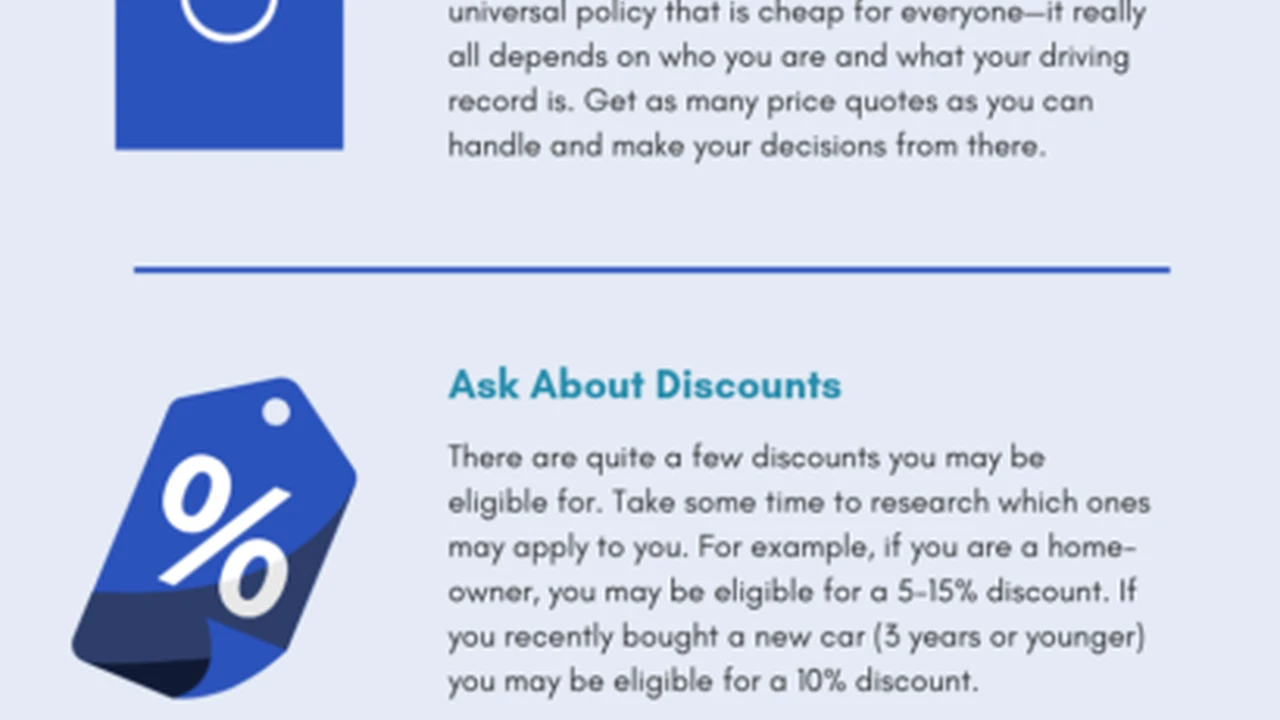
If you have other insurance policies, such as homeowners, renters, or life insurance, check if you can bundle them with your auto insurance from the same provider. Many companies offer multi-policy discounts that can lead to significant savings. While a DUI might limit your options for bundling with standard carriers, some non-standard insurers might still offer this discount.
Wait for the DUI to Fall Off Your Record
A DUI conviction typically stays on your driving record for a certain number of years, which varies by state (often 3-10 years, sometimes longer for insurance purposes). Once the DUI falls off your record, your insurance rates should drop significantly as you'll no longer be classified as a high-risk driver due to that specific incident. This requires patience, but it's the ultimate long-term solution for returning to standard insurance rates.
Specific Product Recommendations and Scenarios for Post-DUI Insurance
Navigating the post-DUI insurance market requires a targeted approach. Here's how different products and scenarios play out:
Scenario 1: Immediate Need for SR-22 Filing
If you've just received a DUI and need an SR-22 filed immediately to reinstate your driving privileges, your options will be more limited and expensive. Focus on carriers that specialize in SR-22s and high-risk drivers. They understand the urgency and the specific state requirements.
- Recommended Products/Providers:
- The General: Very strong in the SR-22 market. They often provide instant quotes and can file the SR-22 electronically with your state DMV quickly. Their pricing might be higher initially but they are reliable for this specific need.
- Dairyland Auto Insurance: Another excellent choice for SR-22s. They focus on non-standard drivers and are experienced with the filing process.
- Progressive: Often a good option, as they handle SR-22 filings for many states and can sometimes offer more competitive rates than purely non-standard carriers.
- Pricing Expectation: Expect to pay 150% to 300% more than your pre-DUI rates. A basic liability policy with an SR-22 could still cost $200-$500+ per month, depending on your state and other factors.
Scenario 2: DUI is a Few Years Old, Looking for Better Rates
If your DUI is a couple of years old and you've maintained a clean driving record since, you might start to see more options and slightly better rates. Your risk profile is slowly improving.
- Recommended Products/Providers:
- Progressive: Continue to check with them, as their rates can become more competitive over time.
- Geico: Similar to Progressive, they might offer better rates as your DUI ages.
- National General: Still a good option for non-standard, but their rates might be more favorable now.
- Local Independent Agents: These agents work with multiple insurance companies, including some smaller regional ones that might be more flexible with older DUIs. They can shop around for you.
- Pricing Expectation: Rates might still be 100% to 200% higher than standard rates, but you should see a noticeable decrease from your initial post-DUI premiums.
Scenario 3: Leveraging Telematics for Savings
If you're a disciplined driver and want to prove it, telematics programs can be a game-changer, especially for high-risk drivers.
- Recommended Products/Providers:
- Progressive Snapshot: Widely available and effective. You can often get an initial discount just for signing up, with further discounts based on your driving.
- State Farm Drive Safe & Save: Good for those who prefer a mobile app-based solution.
- Allstate Drivewise: Offers rewards and discounts for safe driving.
- Pricing Expectation: Initial rates might still be high, but consistent safe driving can lead to discounts of 10% to 30% or more on your premiums. This is a long-term strategy for savings.
Scenario 4: Bundling Policies for Maximum Discounts
Once your DUI is a few years old, or if you find a non-standard carrier that also offers other insurance types, bundling can be a powerful tool.
- Recommended Products/Providers:
- Major Carriers (if they'll take you): If a major carrier like Progressive, Geico, or even a regional one like AAA (depending on your state) is willing to insure you for auto, they are often the best for bundling home/renters insurance.
- Independent Agents: Again, a local agent can help you find carriers that offer bundling options even for high-risk auto policies.
- Pricing Expectation: Bundling discounts typically range from 5% to 25% on your total insurance premium, which can be substantial when your base auto rate is already high.
Important Considerations and What to Avoid
Be Honest with Insurance Providers
Never try to hide your DUI conviction from an insurance company. If they discover it later (and they will, through motor vehicle record checks), your policy could be canceled, your claims denied, and you could face legal repercussions for insurance fraud. Honesty is always the best policy, even if it means higher initial rates.
Avoid Lapse in Coverage
Allowing your insurance to lapse, especially when you have an SR-22 requirement, can lead to severe penalties, including license suspension, fines, and even more difficulty obtaining future insurance. Always ensure continuous coverage, even if it's just the minimum liability.
Understand Your State's Specific Laws
DUI laws and SR-22 requirements vary significantly from state to state. Be sure you understand the specific regulations in your state regarding how long a DUI stays on your record, how long you need an SR-22, and any other mandatory requirements. Your local DMV website is a good resource.
Don't Settle for the First Quote
Even in a high-risk situation, rates can vary wildly. The first quote you get might be expensive, but it's crucial to keep shopping. Use online comparison tools, but also call independent agents who can access a wider range of carriers, including those specializing in non-standard policies.
The Long Road to Recovery
Saving on auto insurance after a DUI in the US is a marathon, not a sprint. It requires a commitment to safe driving, diligent shopping, and patience. While the initial shock of increased premiums can be daunting, by understanding the factors at play and implementing these strategies, you can gradually work towards more affordable and manageable auto insurance rates. Focus on maintaining a spotless driving record, exploring all available discounts, and regularly re-evaluating your options as time passes. Your efforts will eventually pay off, leading you back to a more favorable insurance landscape.
:max_bytes(150000):strip_icc()/277019-baked-pork-chops-with-cream-of-mushroom-soup-DDMFS-beauty-4x3-BG-7505-5762b731cf30447d9cbbbbbf387beafa.jpg)