Understanding Diminished Value Claims After an Auto Accident
Learn about diminished value claims after an auto accident. Discover how to seek compensation for the reduced resale value of your repaired car.
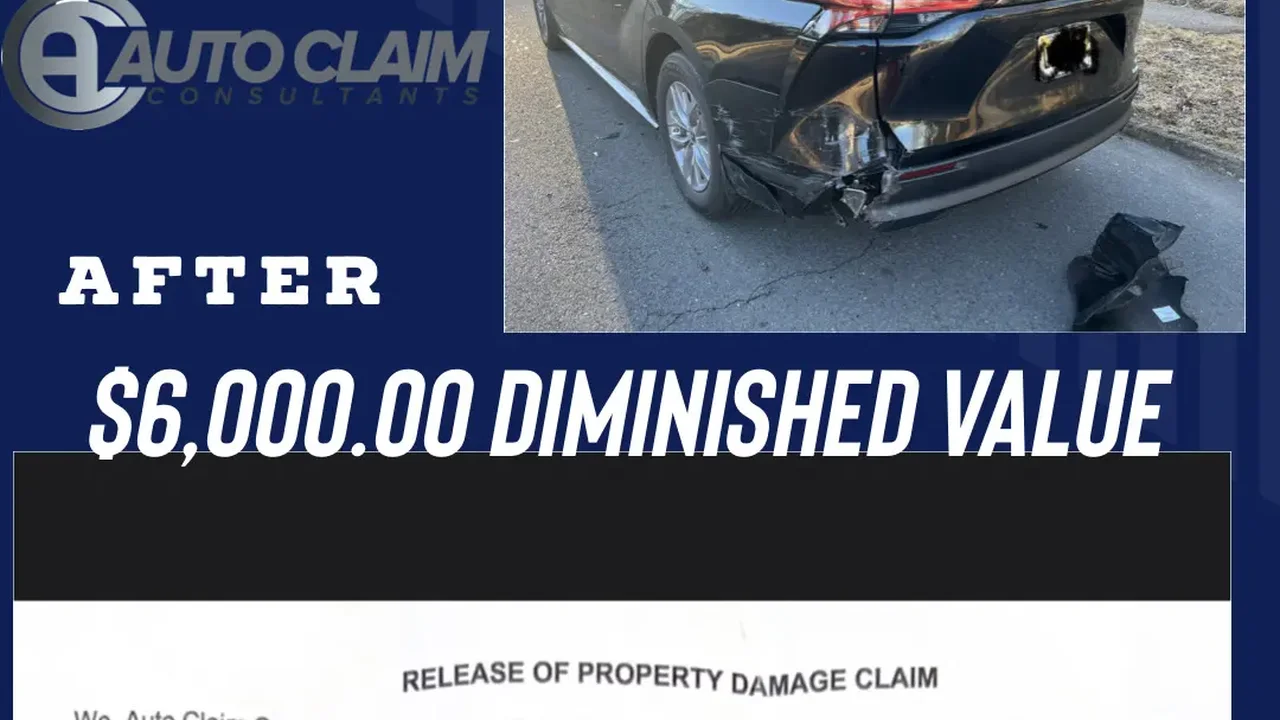
Learn about diminished value claims after an auto accident. Discover how to seek compensation for the reduced resale value of your repaired car.
Understanding Diminished Value Claims After an Auto Accident
What is Diminished Value and Why Does it Matter
So, you've been in a car accident. It's a stressful experience, no doubt. You get your car repaired, it looks good as new, and you think everything's back to normal. But here's a little secret the insurance companies might not be so eager to tell you: your car, even after a perfect repair, is likely worth less than it was before the accident. This reduction in market value is what we call 'diminished value,' and it's a crucial concept for any car owner to understand, especially if you're not at fault in an accident.
Think about it this way: if you were buying a used car, and you had two identical models side-by-side, one with a clean accident history and one that had been in a major collision and repaired, which one would you choose? Most people would opt for the one with no accident history, even if the repaired car looks flawless. Why? Because there's an inherent perception that a car that's been in an accident, even if expertly fixed, carries a higher risk of future problems, or simply isn't as 'original' as one that hasn't. This perception translates directly into a lower resale price, and that's where diminished value comes into play.
Diminished value isn't about the cost of repairs; it's about the loss of market value that occurs after those repairs are completed. It's a separate claim from your repair costs. Many people, and even some insurance adjusters, aren't fully aware of this, or they might try to downplay its significance. But for you, the car owner, it can represent a significant financial loss, especially if your vehicle was relatively new or high-value before the incident.
There are generally three types of diminished value:
- Inherent Diminished Value: This is the most common type. It's the loss of value simply because a vehicle has an accident history, regardless of the quality of repairs. Even if the repairs are perfect, the car's value is diminished because it's no longer considered 'original' or 'accident-free.' This is what most people refer to when they talk about diminished value.
- Repair-Related Diminished Value: This occurs when the repairs themselves are substandard or incomplete, leading to a further reduction in the car's value. This is less common if you're using reputable repair shops, but it can happen.
- Immediate Diminished Value: This is the difference in value immediately after the accident, before any repairs are made. While technically a form of diminished value, it's usually covered by the repair costs themselves. Our focus here is primarily on inherent diminished value.
Understanding diminished value is your first step in protecting your financial interests after an accident. It's not just about getting your car fixed; it's about getting compensated for the full extent of your loss, including the invisible hit to your car's market worth.
Who is Responsible for Diminished Value Claims and How to Pursue Them
Alright, so you understand what diminished value is. Now, who's on the hook for it? Generally, if you're not at fault for the accident, the at-fault driver's insurance company is responsible for compensating you for your vehicle's diminished value. This is a third-party claim, meaning you're making a claim against someone else's insurance policy. If you were at fault, or if the other driver is uninsured, claiming diminished value can be much trickier, and often impossible, unless you have specific coverage like uninsured motorist property damage (UMPD) that explicitly includes diminished value, which is rare.
The process of pursuing a diminished value claim can be a bit of a maze, but it's definitely navigable with the right approach. Here's a breakdown of how you typically go about it:
1. Gather All Your Documentation
This is paramount. You need a solid paper trail to support your claim. This includes:
- Police Report: Crucial for establishing fault.
- Repair Estimates and Invoices: Detailed records of all repairs performed, including parts replaced and labor costs.
- Before and After Photos: Document the damage and the completed repairs.
- Vehicle Information: VIN, make, model, year, mileage, and any special features or upgrades.
- Proof of Ownership: Title or registration.
- Communication Records: Keep a log of all conversations with insurance companies, including dates, times, names of representatives, and a summary of what was discussed.
2. Get a Professional Diminished Value Appraisal
This is arguably the most critical step. Insurance companies are unlikely to offer you a fair diminished value settlement without an independent, professional appraisal. Why? Because they want to pay as little as possible, and a strong appraisal provides objective evidence of your loss. A qualified appraiser will consider several factors:
- Vehicle Age and Mileage: Newer, lower-mileage cars generally suffer greater diminished value.
- Pre-Accident Condition: A well-maintained car with a clean history will have a higher diminished value.
- Severity of Damage: More extensive damage, even if perfectly repaired, often leads to greater diminished value.
- Quality of Repairs: While inherent diminished value assumes perfect repairs, an appraiser will still review the repair quality.
- Market Data: The appraiser will look at comparable sales of similar vehicles, both with and without accident histories, to determine the market impact.
When choosing an appraiser, look for someone experienced in diminished value claims, not just general auto appraisals. They should be able to provide a detailed report that stands up to scrutiny from an insurance company. Expect to pay a few hundred dollars for this service, but it's often a worthwhile investment that can lead to a significantly higher settlement.
3. Submit Your Claim to the At-Fault Insurer
Once you have your appraisal and all your documentation, formally submit your diminished value claim to the at-fault driver's insurance company. Be clear that you are seeking compensation for the loss of market value, not just repair costs. Attach your appraisal report and all supporting documents.
4. Negotiate with the Insurance Company
Don't be surprised if the initial offer from the insurance company is low, or if they deny the claim outright. This is common. Be prepared to negotiate. Refer back to your appraisal report and calmly explain why their offer is insufficient. If they try to use a formula like '17c' (a common, often unfair, internal formula used by some insurers), challenge it with your independent appraisal.
5. Consider Legal Action if Necessary
If negotiations stall or the insurance company remains unreasonable, you might need to consider further action. This could include:
- Small Claims Court: For smaller amounts, this can be a cost-effective option.
- Hiring an Attorney: For larger claims or if the insurance company is particularly difficult, an attorney specializing in personal injury or property damage can be invaluable. They can often negotiate a much better settlement and handle all the legal complexities.
Remember, patience and persistence are key. Diminished value claims can take time, but with proper preparation and a clear understanding of your rights, you can significantly increase your chances of a successful outcome.
Key Factors Influencing Diminished Value Claims and Payouts
Not all cars or accidents are created equal when it comes to diminished value. Several factors play a significant role in how much your car's value is diminished and, consequently, how much you might receive in a payout. Understanding these can help you set realistic expectations and strengthen your claim.
1. Vehicle Age and Mileage
This is a big one. Generally, newer vehicles with lower mileage suffer more from diminished value. Why? Because a brand-new car with a clean title has a premium value. Introducing an accident history to a car that's only a year or two old, with low miles, has a much more significant impact on its perceived value than it would on a 10-year-old car with 150,000 miles. The older and higher mileage a car is, the closer it already is to its 'depreciated' value, so the accident history has less of a relative impact.
2. Pre-Accident Condition and Value
A car that was in pristine condition before the accident, with a clean maintenance record and no prior damage, will experience a greater percentage of diminished value than a car that already had some dings and scratches. Similarly, higher-value vehicles (luxury cars, sports cars, rare models) tend to have higher diminished value claims because the absolute dollar amount of their depreciation is greater, and buyers of such vehicles are often more particular about accident history.
3. Severity and Location of Damage
The extent and type of damage are crucial. A minor fender bender that only requires a bumper replacement will likely result in less diminished value than an accident involving structural damage, frame repair, or significant mechanical components. Damage to the frame or unibody is particularly impactful, as it raises concerns about the car's long-term integrity and safety, even if perfectly repaired. The location of the damage also matters; damage to critical structural components often leads to higher diminished value than cosmetic panel damage.
4. Quality of Repairs
While inherent diminished value assumes perfect repairs, if the repairs are demonstrably substandard, it will further exacerbate the diminished value. Poor paint matching, misaligned panels, or lingering mechanical issues will make it even harder to sell the car at a fair price. Ensure you use a certified and reputable repair shop, and keep all repair documentation.
5. State Laws and Regulations
Diminished value laws vary significantly by state in the USA, and by country in Southeast Asia. Some states/countries are more favorable to diminished value claims than others. For example, Georgia is known for being particularly claimant-friendly for diminished value. Other states might have specific statutes or case law that either support or limit such claims. It's essential to research the specific laws in your jurisdiction or consult with a local attorney or appraiser who understands the regional nuances.
6. Insurance Company Policies and Practices
Different insurance companies have different approaches to diminished value. Some might be more willing to settle than others, while some might have internal formulas (like the infamous '17c rule' in the US, which is often challenged) that they use to calculate diminished value, often to their benefit. Your ability to negotiate and present a strong case will be key here.
7. Documentation and Appraisal Quality
As mentioned earlier, the quality of your documentation and, most importantly, your independent diminished value appraisal, will heavily influence your payout. A well-researched, detailed appraisal from a reputable expert provides objective evidence that is hard for an insurance company to ignore.
By understanding these factors, you can better assess the strength of your diminished value claim and prepare for the negotiation process. It's about being informed and advocating for the full value you've lost.
Recommended Diminished Value Appraisal Services and Their Offerings
When it comes to proving your diminished value claim, a professional appraisal is your best friend. You can't just pull a number out of thin air; you need a credible, well-researched report. Here are a few types of services and some examples of companies that specialize in diminished value appraisals, along with what they typically offer. Keep in mind that specific product names and pricing can change, so always verify directly with the provider.
1. Independent Diminished Value Appraisal Companies
These companies specialize solely or primarily in diminished value assessments. They often have a deep understanding of market trends, repair impacts, and legal precedents. They typically offer a comprehensive report that details their methodology and findings.
Example Products/Services:
- DVCHECK.com (USA):
- Service: Offers comprehensive diminished value appraisal reports. They use a combination of market analysis, repair documentation review, and proprietary algorithms to determine the loss in value.
- Features: Detailed reports suitable for insurance claims and legal proceedings. Often includes a pre-loss valuation, post-repair valuation, and the calculated diminished value. They might also offer consultation services.
- Use Case: Ideal for individuals pursuing a third-party diminished value claim against an at-fault driver's insurance company. Suitable for all types of vehicles, from standard sedans to luxury cars.
- Estimated Price: Typically ranges from $250 to $500+ depending on the complexity of the vehicle and damage.
- Collision Claims Associates (USA):
- Service: Provides expert diminished value appraisals and often offers negotiation support. They have a strong focus on educating clients about their rights.
- Features: In-depth reports, often including a market analysis of comparable vehicles. They might also offer services like total loss valuations and expert witness testimony if a case goes to court.
- Use Case: Excellent for complex cases, high-value vehicles, or when you anticipate strong resistance from the insurance company. Their negotiation support can be very valuable.
- Estimated Price: Similar to DVCHECK, often in the $300-$600+ range, with additional fees for negotiation or legal support.
2. Certified Auto Appraisers with Diminished Value Expertise
Many general auto appraisers also offer diminished value services. The key is to ensure they have specific experience and certification in this niche, as it requires a different skill set than simply valuing a car for sale.
Example Products/Services:
- Local Certified Auto Appraisers (USA & Southeast Asia):
- Service: Many independent auto appraisers in your local area (search for 'certified auto appraiser near me' or 'diminished value appraiser [your city/state/country]') will offer this service. They often conduct physical inspections of the vehicle.
- Features: Personalized service, often including a physical inspection of the repaired vehicle to assess repair quality and its impact on value. Reports can vary in format but should be comprehensive.
- Use Case: Good for those who prefer a local expert and a physical inspection. Can be particularly useful if you suspect repair-related diminished value in addition to inherent diminished value.
- Estimated Price: Varies widely by location and appraiser, but generally in the $200-$700 range.
3. Online Diminished Value Calculators (Use with Caution)
While not a substitute for a professional appraisal, some online tools can give you a rough estimate. These are generally not accepted by insurance companies as proof but can help you understand the potential range.
Example Products/Services:
- Various Online Calculators (e.g., on legal or insurance advice sites):
- Service: You input details like vehicle make, model, year, mileage, and repair cost, and it provides an estimated diminished value.
- Features: Instant, free estimates.
- Use Case: For preliminary understanding and setting expectations. Not for submitting to an insurance company as evidence.
- Estimated Price: Free.
Comparison and Considerations:
- Credibility: Independent diminished value specialists and certified auto appraisers with specific DV expertise offer the highest credibility. Online calculators offer none for official claims.
- Cost vs. Benefit: While professional appraisals cost money, they often lead to significantly higher settlements, making the investment worthwhile.
- Scope of Report: Ensure the appraisal report is detailed, explains the methodology, and is suitable for submission to an insurance company or court.
- Local vs. National: National services like DVCHECK can be convenient, but a local appraiser might offer a physical inspection, which can be beneficial for certain cases.
- Negotiation Support: Some appraisal companies offer additional services like negotiation with the insurance company, which can be a huge advantage.
When selecting an appraisal service, always ask for their credentials, experience with diminished value claims, and what their report will include. A strong appraisal is your most powerful tool in securing fair compensation for your car's lost value.
Common Pitfalls and How to Avoid Them in Diminished Value Claims
Navigating a diminished value claim can feel like walking through a minefield. Insurance companies aren't exactly eager to pay out extra money, so they might employ tactics to minimize or deny your claim. Being aware of these common pitfalls can help you avoid them and strengthen your position.
1. Accepting the First Offer Without Question
This is perhaps the biggest mistake people make. Insurance companies often start with a lowball offer, or even a flat-out denial, hoping you'll just accept it and move on. They might use internal formulas that significantly undervalue your claim. How to avoid: Never accept the first offer. Always get an independent diminished value appraisal first. This gives you objective evidence to counter their low offer and shows them you're serious.
2. Not Getting a Professional Diminished Value Appraisal
Relying on online calculators or your own estimate is a recipe for failure. Insurance companies will almost certainly dismiss these. How to avoid: Invest in a reputable, independent diminished value appraisal. This report is your strongest piece of evidence and is crucial for a successful claim. Make sure the appraiser is experienced in diminished value, not just general car appraisals.
3. Failing to Document Everything Thoroughly
Lack of documentation can cripple your claim. If you can't prove the pre-accident condition, the extent of repairs, or your communications, you're at a disadvantage. How to avoid: Keep meticulous records. This includes the police report, all repair estimates and invoices, before-and-after photos of the damage, your car's maintenance records, and a detailed log of all communications with the insurance company (dates, times, names, summaries of conversations). Email is often better than phone calls for creating a paper trail.
4. Discussing Fault or Admitting Any Responsibility
If you're making a third-party claim (against the at-fault driver's insurance), any admission of fault on your part can be used against you. How to avoid: Stick to the facts of the accident. Do not speculate or admit any responsibility. Let the police report and the insurance companies determine fault. If you're unsure, consult with an attorney before speaking extensively with the at-fault insurer.
5. Waiting Too Long to File the Claim
Statutes of limitations exist for property damage claims. If you wait too long, you might lose your right to claim diminished value. Also, the longer you wait, the harder it can be to gather evidence and for appraisers to accurately assess the pre-accident value. How to avoid: File your diminished value claim as soon as your repairs are completed and you have your appraisal. Don't delay.
6. Not Understanding Your State's/Country's Laws
Diminished value laws vary. Some jurisdictions are more favorable to claimants than others, and some might have specific requirements or limitations. How to avoid: Do some basic research on diminished value laws in your specific location. If the claim is substantial or complex, consider consulting with a local attorney who specializes in property damage claims.
7. Allowing the Insurance Company to Dictate the Repair Shop
While insurance companies can recommend shops, you usually have the right to choose your own. If you use a shop that performs substandard repairs, it can negatively impact your diminished value claim. How to avoid: Choose a reputable, certified repair shop that you trust, even if it's not on the insurance company's 'preferred' list. Ensure they use OEM (Original Equipment Manufacturer) parts if possible, as aftermarket parts can sometimes contribute to further diminished value.
8. Not Being Persistent and Prepared to Negotiate
Insurance companies are businesses, and they will try to save money. You need to be prepared for a back-and-forth negotiation. How to avoid: Be firm but polite. Present your appraisal and documentation clearly. If they offer a low amount, explain why it's insufficient based on your appraisal. Don't be afraid to push back. If you're uncomfortable negotiating, consider hiring an attorney or a diminished value expert who offers negotiation services.
9. Forgetting About Potential Legal Action
Sometimes, despite your best efforts, an insurance company simply won't budge. How to avoid: Be aware of your options, such as small claims court for smaller amounts, or hiring an attorney for larger or more complex claims. Simply mentioning that you are considering legal action can sometimes prompt the insurance company to take your claim more seriously.
By being proactive, well-informed, and persistent, you can significantly improve your chances of successfully recovering compensation for your car's diminished value after an accident.
Real-World Scenarios and Case Studies for Diminished Value Claims
Let's look at some real-world examples to illustrate how diminished value plays out and why it's so important to pursue these claims. These scenarios highlight different vehicle types, damage levels, and outcomes.
Case Study 1: The Nearly New Luxury Sedan
- Vehicle: 2022 Mercedes-Benz E-Class, 10,000 miles. Pre-accident value: $60,000.
- Accident: Rear-ended by another driver, causing significant structural damage to the rear quarter panel and trunk, requiring extensive frame straightening and panel replacement. Repair cost: $18,000.
- Claimant's Action: After repairs were completed by a certified Mercedes-Benz body shop, the owner hired an independent diminished value appraiser. The appraisal report indicated an inherent diminished value of $9,500 due to the severity of the structural damage and the vehicle's newness.
- Insurance Company Response: The at-fault insurer initially offered $2,000, citing their internal formula.
- Outcome: The owner, armed with the appraisal report and a clear understanding of their rights, negotiated firmly. After several rounds of communication and the threat of small claims court, the insurance company settled for $8,000. While not the full appraised amount, it was a substantial recovery that wouldn't have happened without the appraisal.
- Lesson: Newer, high-value cars with significant structural damage are prime candidates for substantial diminished value claims. Don't settle for low initial offers.
Case Study 2: The Well-Maintained Family SUV
- Vehicle: 2018 Honda CR-V, 60,000 miles. Pre-accident value: $22,000.
- Accident: Side impact, damaging two doors and the B-pillar. No frame damage, but significant panel replacement and paint work. Repair cost: $7,500.
- Claimant's Action: The owner was initially unaware of diminished value but learned about it from a friend. They obtained an appraisal which estimated diminished value at $3,000, primarily due to the multiple panel replacements and the car's relatively good pre-accident condition.
- Insurance Company Response: The insurer initially denied the claim, stating the repairs restored the vehicle to its pre-accident condition.
- Outcome: The owner submitted the appraisal report and a letter explaining the concept of inherent diminished value. The insurer eventually offered $1,500. The owner counter-offered with $2,500, and they settled at $2,000.
- Lesson: Even mid-range vehicles can have significant diminished value. Persistence and a well-supported claim can lead to a positive outcome, even if the initial response is a denial.
Case Study 3: The Classic Car with Minor Damage
- Vehicle: 1967 Ford Mustang, meticulously restored. Pre-accident value: $75,000.
- Accident: Minor front-end collision, damaging the grille, bumper, and a small section of the hood. No structural damage. Repair cost: $4,000 (due to specialized parts and paint).
- Claimant's Action: The owner immediately understood the impact on a classic car's value. They hired an appraiser specializing in classic vehicles. The appraisal showed a diminished value of $12,000, arguing that even minor damage on a collector car significantly impacts its originality and desirability to collectors.
- Insurance Company Response: The insurer was initially skeptical of such a high diminished value for relatively minor repairs.
- Outcome: The appraiser provided expert testimony and market data showing how even minor repairs affect collector car values. The insurance company, recognizing the unique nature of the vehicle and the expert's credibility, settled for $10,000.
- Lesson: Specialized vehicles, especially classics, can have disproportionately high diminished value even for minor repairs, as originality is paramount. A specialized appraiser is crucial here.
Case Study 4: The Older, High-Mileage Vehicle
- Vehicle: 2010 Toyota Camry, 180,000 miles. Pre-accident value: $6,000.
- Accident: Fender bender, damaging a front fender and headlight. Repair cost: $1,500.
- Claimant's Action: The owner heard about diminished value and decided to pursue it. They obtained an appraisal, which estimated a diminished value of $500.
- Insurance Company Response: The insurer offered $100, arguing the car's age and mileage meant minimal market impact from the accident.
- Outcome: After some negotiation, the insurer increased their offer to $250. The owner decided to accept, weighing the time and effort of further negotiation against the potential small gain.
- Lesson: While older, high-mileage cars can still have diminished value, the amount is often much smaller, and the cost-benefit of pursuing a large claim might not be there. It's still worth assessing, but manage expectations.
These scenarios demonstrate that diminished value is a real financial loss, and with the right approach, you can recover a significant portion of it. The key takeaways are always to get a professional appraisal, document everything, and be prepared to negotiate.
Future Trends and Considerations for Diminished Value Claims
The automotive industry is constantly evolving, and these changes will undoubtedly impact how diminished value claims are handled in the future. From advanced vehicle technology to changing consumer behaviors, several trends are worth keeping an eye on.
1. The Rise of Advanced Driver-Assistance Systems (ADAS) and Autonomous Vehicles
Modern cars are packed with sensors, cameras, radar, and complex software that power features like adaptive cruise control, lane-keeping assist, and automatic emergency braking. When a car with ADAS is involved in an accident, repairs become significantly more complex and expensive. Recalibrating these systems after a collision is crucial for safety, but it also adds to the repair bill and can raise questions about the car's long-term reliability.
- Impact on Diminished Value: An accident involving ADAS components could lead to higher diminished value. Buyers might be more hesitant to purchase a vehicle where these critical safety systems have been repaired or replaced, fearing they might not function perfectly. The complexity of these repairs also increases the potential for repair-related diminished value if not done by highly specialized technicians.
- Future Considerations: As autonomous vehicles become more common, the concept of diminished value might shift. If a car's 'brain' (its autonomous driving system) is compromised in an accident, even if repaired, its perceived value could plummet. Insurance companies and appraisers will need new methodologies to assess this.
2. Electric Vehicles (EVs) and Battery Damage
The growing popularity of EVs introduces new considerations. The battery pack is the most expensive component of an EV, and even minor damage to it can lead to very costly repairs or even a total loss. There's also a perception among some buyers that a repaired EV battery might have a reduced lifespan or performance.
- Impact on Diminished Value: If an EV's battery pack is damaged and repaired (rather than replaced), or if there are concerns about its long-term integrity post-accident, the diminished value could be substantial. The lack of standardized repair procedures for EV batteries across all manufacturers could also contribute to higher diminished value.
- Future Considerations: As battery technology evolves and repair techniques become more standardized, the impact might lessen, but for now, EV owners should be particularly vigilant about diminished value claims after an accident involving battery components.
3. Increased Data and Vehicle History Reporting
Services like Carfax and AutoCheck already provide detailed vehicle history reports, including accident records. As more data becomes available (e.g., from telematics devices, manufacturer service records), the transparency of a vehicle's history will only increase.
- Impact on Diminished Value: Greater transparency means it will be even harder to hide an accident history. This solidifies the concept of inherent diminished value, as buyers will have easy access to information about past collisions, making them less willing to pay full market price for a repaired vehicle.
- Future Considerations: This trend will likely make diminished value claims more straightforward to prove, as the evidence of an accident will be undeniable.
4. Evolving Repair Techniques and Materials
Automakers are increasingly using lightweight materials like aluminum, carbon fiber, and high-strength steel. Repairing these materials often requires specialized equipment, training, and techniques, which can be more expensive and complex than traditional steel repairs.
- Impact on Diminished Value: If repairs involving these advanced materials are not performed to manufacturer specifications, it can lead to significant repair-related diminished value. Even perfectly executed repairs might still raise concerns among buyers about the long-term integrity of these specialized materials.
- Future Considerations: The industry will need to develop more standardized and cost-effective repair methods for these materials to mitigate their impact on diminished value.
5. Consumer Awareness and Legal Precedents
As more people become aware of diminished value and successfully pursue claims, it sets precedents and encourages others. Legal challenges against insurance companies' diminished value calculation methods (like the 17c rule) are also pushing for fairer compensation.
- Impact on Diminished Value: Increased consumer awareness and favorable legal rulings will likely make it easier for individuals to pursue and win diminished value claims, potentially leading to higher average payouts.
- Future Considerations: Insurance companies may be forced to adjust their internal policies and offer more reasonable settlements upfront to avoid litigation.
Staying informed about these trends will empower you to better understand and pursue your diminished value claim in an ever-changing automotive landscape. It's clear that diminished value isn't going away; if anything, it's becoming an even more complex and important aspect of post-accident recovery.
:max_bytes(150000):strip_icc()/277019-baked-pork-chops-with-cream-of-mushroom-soup-DDMFS-beauty-4x3-BG-7505-5762b731cf30447d9cbbbbbf387beafa.jpg)