Top 7 Myths About Auto Insurance Debunked
Uncover the top 7 myths about auto insurance debunked. Get accurate information to make informed decisions about your car insurance policy.

Uncover the top 7 myths about auto insurance debunked. Get accurate information to make informed decisions about your car insurance policy.
Top 7 Myths About Auto Insurance Debunked
Hey there, car owners and future car owners! Let's talk about auto insurance. It's one of those things we all need, but often don't fully understand. There's a lot of misinformation floating around, and these myths can cost you money, leave you underinsured, or even cause unnecessary stress. Today, we're going to bust the top 7 auto insurance myths wide open, giving you the real scoop so you can make smarter, more informed decisions about your coverage. Ready to separate fact from fiction?
Myth 1 Your Car's Color Affects Your Insurance Rates
This is a classic, right? Many people believe that if you drive a red car, your insurance premiums will be higher because red cars are supposedly more likely to get speeding tickets or be involved in accidents. Well, let's put this one to bed right now: it's absolutely false.
Why it's a myth: Insurance companies don't care about the color of your car. They care about statistics related to the make, model, year, engine size, safety features, and even the cost of repairs for your specific vehicle. A red Honda Civic costs the same to insure as a blue Honda Civic, assuming all other factors are equal. The color has zero impact on your risk profile from an insurer's perspective.
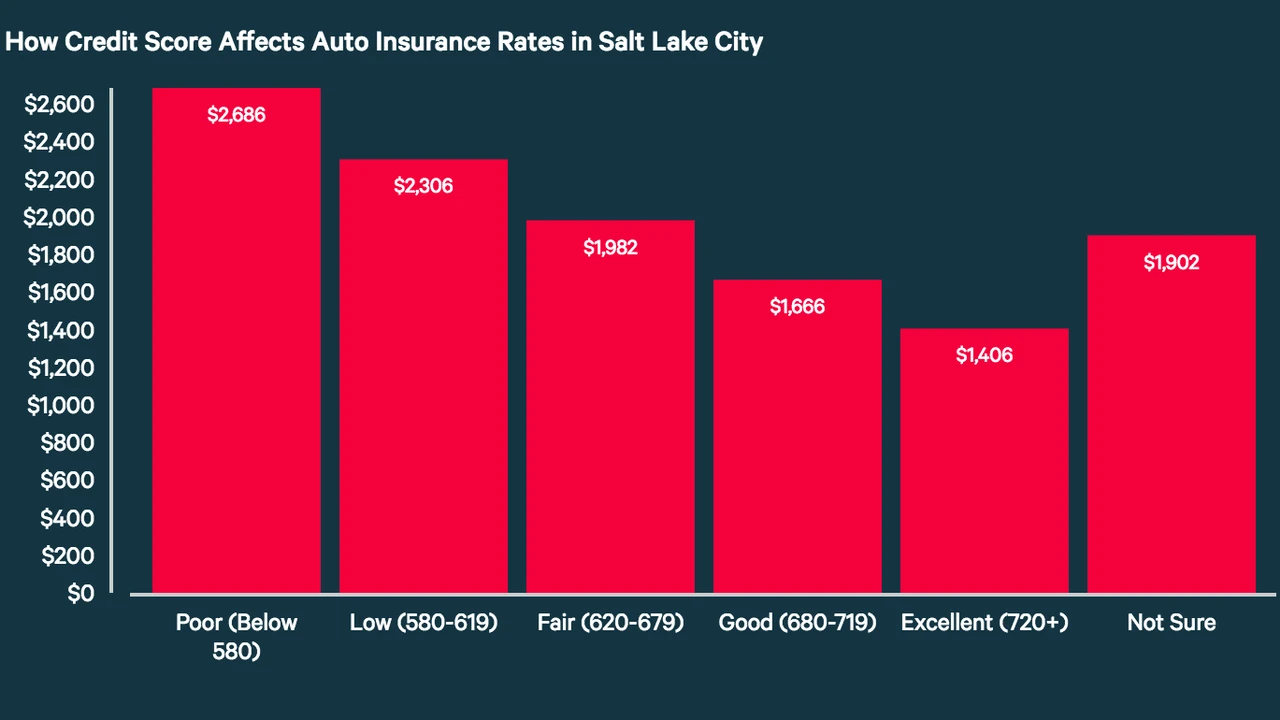
What actually affects your rates (and how to save): Instead of car color, insurers look at things like your driving record (tickets, accidents), your age, your gender (in some states/countries), where you live, how much you drive, your credit score (in the US), and the type of car you drive. A sports car, regardless of color, will almost always be more expensive to insure than a family sedan because it's statistically more likely to be driven faster and involved in higher-speed accidents, and its parts are often more expensive to replace.
Pro Tip: Focus on maintaining a clean driving record and choosing a vehicle with good safety ratings and lower repair costs if you're looking to save on premiums. For example, a Toyota Camry or a Honda CR-V often have lower insurance costs due to their reliability and widespread availability of parts, making repairs more affordable.
Myth 2 Older Cars Don't Need Comprehensive or Collision Coverage
This is a common piece of advice, and while it can be true in some specific situations, it's not a universal rule. The idea is that if your car isn't worth much, paying for comprehensive and collision coverage isn't worth it because the payout wouldn't exceed the premiums and deductible.
Why it's a myth (or at least, not always true): While it's true that for a very old car with minimal value, dropping these coverages might make sense, it's not a blanket statement. The decision should be based on your financial situation and your car's actual cash value (ACV), not just its age.
Consider this: If your older car is worth $3,000 and your annual comprehensive and collision premiums are $500 with a $500 deductible, you'd pay $1,000 out of pocket before your insurance even kicks in for a claim. In this scenario, it might not be worth it. However, what if your older car is a classic car, or a well-maintained vehicle still worth $8,000-$10,000? Or what if you couldn't afford to replace it out-of-pocket if it were totaled? In these cases, comprehensive (for non-collision events like theft, fire, hail) and collision (for accidents) coverage could be crucial.
What to do: Always compare the cost of the coverage against your car's actual cash value and your ability to replace the vehicle if it's damaged or stolen. Get a quote for just liability, and then a quote with comprehensive and collision. See the difference. If you have a loan on your car, your lender will almost certainly require you to carry comprehensive and collision, regardless of its age.
Product Comparison Example:
- Scenario 1: 2005 Honda Civic, ACV $2,500. Annual Comp/Collision premium: $400, Deductible: $500. Total out-of-pocket for a claim: $900. Recommendation: Consider dropping Comp/Collision if you can afford to replace the car yourself.
- Scenario 2: 2012 Toyota Corolla, ACV $7,000. Annual Comp/Collision premium: $600, Deductible: $500. Total out-of-pocket for a claim: $1,100. Recommendation: Keep Comp/Collision, especially if $7,000 is a significant amount for you to replace out-of-pocket.
- Scenario 3: 1970 Ford Mustang (classic), ACV $30,000. Annual Comp/Collision premium: $800, Deductible: $1,000. Recommendation: Definitely keep specialized classic car insurance (which includes comprehensive and collision) to protect your investment. Companies like Hagerty or Grundy specialize in this.
Myth 3 My Insurance Will Cover Anything That Happens to My Car
Wouldn't that be nice? Unfortunately, this is a big misconception. Auto insurance policies have specific coverages, exclusions, and limits. Just because you have 'full coverage' (which isn't even a real policy type, but rather a combination of coverages) doesn't mean every single scenario is covered.
Why it's a myth: Insurance policies are contracts with specific terms. For example, standard policies typically won't cover damage from normal wear and tear, mechanical breakdowns, or intentional damage. If you use your personal car for ridesharing (like Uber or Lyft) without specific rideshare insurance, your personal policy might deny a claim if an accident happens while you're on the clock.
What's usually covered (and what's not):
- Liability: Covers damage and injuries you cause to others.
- Collision: Covers damage to your car from an accident with another vehicle or object.
- Comprehensive: Covers damage to your car from non-collision events (theft, vandalism, fire, hail, animal strikes).
- Uninsured/Underinsured Motorist: Covers your damages if the at-fault driver has no insurance or not enough.
- Medical Payments/Personal Injury Protection (PIP): Covers medical expenses for you and your passengers, regardless of fault.
What's often NOT covered by standard policies:
- Mechanical breakdowns: This is what extended warranties or mechanical breakdown insurance are for.
- Wear and tear: Tires wearing out, engine aging, etc.
- Intentional damage: If you purposely damage your car.
- Commercial use: Using your personal car for business purposes (delivery, ridesharing) often requires a separate commercial or rideshare endorsement.
- Custom parts/modifications: Unless you have specific custom parts coverage.
Product Recommendation: If you're a rideshare driver, look into policies from companies like Geico, State Farm, or Allstate that offer specific rideshare endorsements. These bridge the gap between your personal policy and the commercial coverage provided by the rideshare company. For mechanical breakdowns, consider a service like CarShield or an extended warranty from your car manufacturer.
Myth 4 My Rates Will Skyrocket After One Minor Accident
While an accident can certainly impact your rates, it's not always a guarantee that they'll skyrocket, especially if it's a minor incident and your first one. Many factors come into play.
Why it's a myth: Insurance companies look at your overall risk profile. A single minor fender bender, especially if it's not your fault, might not have a huge impact. Some insurers offer 'accident forgiveness' programs, which prevent your rates from increasing after your first at-fault accident.
Factors that influence rate increases after an accident:
- Fault: If you're not at fault, your rates are less likely to increase significantly, if at all.
- Severity: A minor scratch is less impactful than a totaled vehicle.
- Driving record: If you have a clean record otherwise, one accident might be overlooked or have a minimal impact. If you have multiple accidents or tickets, one more will likely push your rates up.
- Accident forgiveness: Many insurers offer this as a perk for loyal customers.
- State laws: Some states have rules about when insurers can raise rates after an accident.
What to do: If you have a minor, at-fault accident, consider whether it's worth filing a claim. If the damage is less than your deductible plus a potential rate increase over the next few years, it might be cheaper to pay out of pocket. Always get a repair estimate first. Also, check if your current policy includes accident forgiveness. Companies like Progressive, Geico, and State Farm often offer this feature.
Myth 5 Red Cars Are More Expensive to Insure
Wait, didn't we just cover this? Yes, but it's such a persistent myth that it deserves a second, emphatic debunking! It's a common belief that red cars attract more attention from police and are therefore more prone to speeding tickets, leading to higher insurance premiums. This is simply not true.
Why it's a myth (again!): As mentioned before, car color is not a rating factor for insurance companies. They use data-driven actuarial science to assess risk, and car color has no statistical correlation with accident frequency or severity. The make, model, engine size, safety features, and the driver's history are what matter.
What really drives up costs for 'sporty' cars: The confusion often arises because many sports cars, which are indeed more expensive to insure, happen to be red. It's the performance characteristics of the car (high horsepower, higher top speeds, more expensive parts, higher theft rates for certain models) that drive up the insurance cost, not the paint job. A red Ferrari will be more expensive to insure than a red minivan, but a red minivan will be the same price as a blue minivan.
Key Takeaway: Don't let car color influence your purchase decision based on insurance fears. Buy the car color you love! Your insurance company won't bat an eye.
Myth 6 My Personal Auto Insurance Covers Business Use
This is a critical myth to debunk, especially with the rise of the gig economy. Many people assume their standard personal auto policy will cover them if they use their car for work, whether it's delivering food, carrying tools, or driving clients. This assumption can lead to devastating financial consequences.
Why it's a myth: Personal auto insurance policies are designed for personal use – commuting, running errands, leisure driving. They almost universally exclude coverage for commercial or business use. If you get into an accident while using your car for work and haven't declared it to your insurer or purchased the correct coverage, your claim could be denied, leaving you personally responsible for all damages and injuries.
Types of business use and required coverage:
- Ridesharing (Uber, Lyft, Grab, Gojek): While the rideshare companies provide some commercial coverage, there are often gaps, especially when you're waiting for a fare. You typically need a rideshare endorsement or a specific rideshare policy.
- Food/Package Delivery (DoorDash, Grubhub, Foodpanda, Lalamove): This is considered commercial use. Your personal policy will likely not cover you. You'll need a commercial auto policy or a specific delivery endorsement.
- Using your car for work-related travel (sales, real estate, etc.): If you're regularly driving for work beyond a typical commute, you might need a business-use endorsement or a commercial policy, depending on the extent and nature of the use.
- Carrying tools or equipment for a trade: If your vehicle is essential for your trade (e.g., plumber, electrician), a commercial policy is usually required.
Product Recommendations and Scenarios:
- Rideshare Drivers: Check with your current insurer first. Many major insurers like Geico, State Farm, Allstate, and Progressive offer rideshare endorsements that fill the coverage gaps. In Southeast Asia, companies like NTUC Income (Singapore) or AXA (various SEA countries) might offer similar products or specific commercial policies.
- Delivery Drivers: This is trickier. Some personal insurers might offer a specific 'delivery driver' endorsement, but often a full commercial auto policy is needed. Companies specializing in commercial auto insurance (e.g., Progressive Commercial in the US, or local commercial insurers in SEA) are your best bet. The cost can vary significantly, from an extra $50-$200 per month depending on your location and usage.
- Small Business Owners (e.g., real estate agents, consultants): If your car is primarily for personal use but occasionally used for client meetings, a simple 'business use' endorsement might suffice. Discuss your specific usage with your agent.
Crucial Advice: Be 100% transparent with your insurance agent about how you use your vehicle. It's far better to pay a little extra for the correct coverage than to have a claim denied and face massive out-of-pocket expenses.
Myth 7 The Cheapest Policy is Always the Best Policy
Everyone loves a good deal, and finding the cheapest auto insurance can feel like a win. However, this myth can lead to significant financial pain when you actually need to use your insurance.
Why it's a myth: The cheapest policy often means minimal coverage. This could mean low liability limits, high deductibles, or a complete lack of important coverages like comprehensive, collision, or uninsured motorist protection. While it saves you money upfront, it exposes you to huge risks.
The true cost of cheap insurance:
- Low Liability Limits: If you cause a serious accident and your liability limits are too low, you could be sued for the difference, potentially losing your assets. For example, if you have $25,000 in bodily injury liability and cause $100,000 in medical bills, you're on the hook for $75,000.
- No Comprehensive/Collision: As discussed, if your car is damaged or stolen and you don't have these, you're paying for repairs or replacement entirely out of pocket.
- No Uninsured Motorist Coverage: In many places, a significant percentage of drivers are uninsured or underinsured. If one of them hits you, who pays for your car and medical bills? Without this coverage, it's you.
- Poor Customer Service/Slow Claims: Sometimes, cheaper insurers cut corners on customer service or have a reputation for slow or difficult claims processing, adding stress to an already difficult situation.
What to look for beyond price:
- Adequate Liability Limits: Aim for at least $100,000/$300,000 bodily injury and $50,000-$100,000 property damage, or even higher if you have significant assets to protect. An umbrella policy can provide additional liability coverage above your auto limits.
- Comprehensive and Collision: Essential for newer or valuable cars. Choose a deductible you can comfortably afford.
- Uninsured/Underinsured Motorist: Highly recommended, especially in areas with high rates of uninsured drivers.
- Roadside Assistance/Rental Car Reimbursement: These add-ons are often inexpensive but incredibly helpful when you need them.
- Insurer Reputation: Check customer reviews, financial strength ratings (e.g., A.M. Best), and claims satisfaction scores (e.g., J.D. Power). Companies like USAA (for military), Amica, and Erie Insurance often rank highly for customer satisfaction in the US. In Southeast Asia, look at local leaders like AXA, MSIG, or FWD.
Product Comparison Example (Liability Limits):
- Basic State Minimum (e.g., $25,000/$50,000/$25,000): Cost: Lowest. Risk: Very high. If you cause a serious accident, you're exposed to significant personal financial loss.
- Recommended (e.g., $100,000/$300,000/$50,000): Cost: Moderately higher than minimum. Risk: Much lower. Provides a good balance of protection without being overly expensive.
- High Limits + Umbrella Policy (e.g., $250,000/$500,000/$100,000 + $1M Umbrella): Cost: Highest. Risk: Very low. Ideal for those with significant assets to protect. An umbrella policy from companies like Chubb or Travelers can add millions in liability coverage for a relatively low annual premium.
Always get multiple quotes and compare not just the price, but the actual coverage details. A slightly higher premium for better protection is almost always a wise investment.
There you have it! Seven common auto insurance myths busted. Hopefully, this helps you navigate the world of car insurance with more confidence and make choices that truly protect you and your wallet. Drive safe!
:max_bytes(150000):strip_icc()/277019-baked-pork-chops-with-cream-of-mushroom-soup-DDMFS-beauty-4x3-BG-7505-5762b731cf30447d9cbbbbbf387beafa.jpg)