The Ultimate Guide to Auto Insurance Deductibles
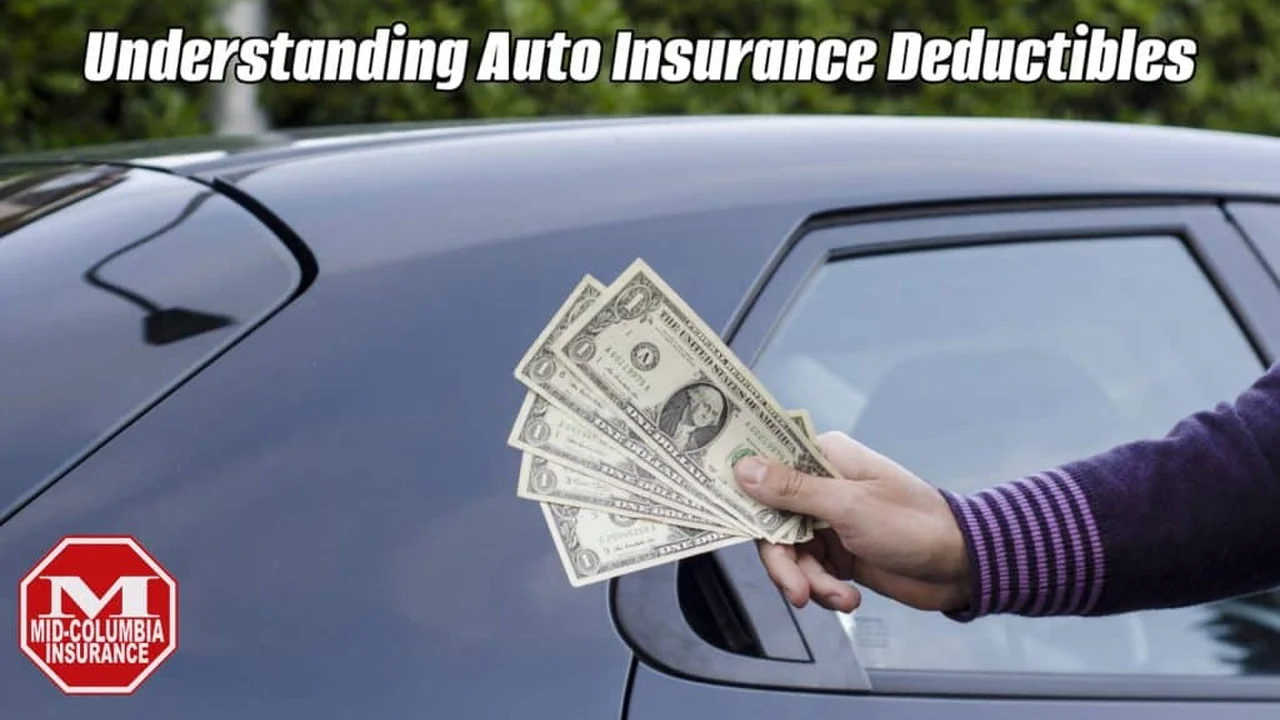
Explore the ultimate guide to auto insurance deductibles. Understand how deductibles work and how they impact your premium and out-of-pocket costs.
Explore the ultimate guide to auto insurance deductibles. Understand how deductibles work and how they impact your premium and out-of-pocket costs.
The Ultimate Guide to Auto Insurance Deductibles
Hey there, savvy driver! Let's talk about something super important when it comes to your car insurance: deductibles. You've probably heard the term, but do you really know what it means for your wallet and your peace of mind? Don't worry, we're going to break it all down for you, making it as clear as a sunny day on the open road. Understanding your deductible is key to making smart choices about your auto insurance, potentially saving you a good chunk of change, and ensuring you're prepared when the unexpected happens.
Think of a deductible as your share of the cost when you make a claim. It's the amount of money you agree to pay out of pocket before your insurance company steps in to cover the rest. This applies to certain types of coverage, like collision and comprehensive. The higher your deductible, the lower your monthly premium, and vice versa. It's a balancing act, and finding the sweet spot for your personal situation is what this guide is all about.
What Exactly is an Auto Insurance Deductible and How Does it Work
Let's get down to basics. An auto insurance deductible is a fixed amount of money you're responsible for paying towards a covered loss before your insurance company starts paying. For example, if you have a $500 deductible and your car sustains $2,000 worth of damage in an accident, you'd pay the first $500, and your insurance company would cover the remaining $1,500. Simple, right?
Deductibles typically apply to two main types of auto insurance coverage:
- Collision Coverage Deductible: This covers damage to your own vehicle resulting from a collision with another car or object, regardless of who is at fault. If you hit a tree, another car, or even a rogue shopping cart, your collision deductible comes into play.
- Comprehensive Coverage Deductible: This covers damage to your vehicle from non-collision events. Think theft, vandalism, fire, natural disasters (like hail or floods), or hitting an animal. If a tree branch falls on your car, your comprehensive deductible is what you'll pay.
It's important to note that deductibles usually do not apply to liability coverage. If you're at fault in an accident and your insurance pays for damages or injuries to another party, you typically won't pay a deductible for that portion of the claim. Your liability coverage kicks in directly.
Exploring Common Auto Insurance Deductible Amounts and Their Impact on Premiums
Deductibles come in various amounts, and the choice you make significantly impacts your monthly or annual premium. Common deductible amounts often range from $250 to $2,500, though you might find options outside this range. Here's a general idea of how different deductible amounts can affect your premium:
- Lower Deductibles ($250 - $500): Choosing a lower deductible means you'll pay less out of pocket if you need to file a claim. However, this convenience comes at a cost – your monthly insurance premiums will be higher. This option is often preferred by drivers who want more financial protection in case of an accident and might not have a large emergency fund readily available.
- Mid-Range Deductibles ($500 - $1,000): This is a popular sweet spot for many drivers. A $500 or $1,000 deductible offers a good balance between affordable premiums and manageable out-of-pocket costs if a claim arises. It's a good choice if you have some savings set aside for emergencies but still want to keep your premiums reasonable.
- Higher Deductibles ($1,000 - $2,500+): Opting for a higher deductible will result in significantly lower monthly premiums. This can be a great way to save money on your insurance if you're a safe driver, have a substantial emergency fund, and are comfortable taking on more financial risk in the event of a claim. However, be absolutely sure you can afford to pay this amount if you need to.
Let's illustrate with a hypothetical example. Imagine two drivers, both with similar cars and driving records, but different deductibles:
| Driver Profile | Collision Deductible | Comprehensive Deductible | Estimated Monthly Premium | Out-of-Pocket for $3,000 Claim |
|---|---|---|---|---|
| Sarah (prefers lower risk) | $250 | $250 | $150 | $250 |
| Mark (prefers lower premiums) | $1,000 | $1,000 | $100 | $1,000 |
As you can see, Mark saves $50 per month on his premium, which adds up to $600 per year. However, if he has an accident, he'll pay $750 more out of pocket than Sarah. This highlights the trade-off you need to consider.
Choosing the Right Auto Insurance Deductible for Your Financial Situation
This is where the rubber meets the road! Selecting the ideal deductible isn't a one-size-fits-all decision. It depends heavily on your personal financial situation, driving habits, and risk tolerance. Here are some key factors to consider:
Your Emergency Fund and Savings for Auto Insurance Claims
Do you have readily available cash that you could use to cover a deductible if you needed to file a claim tomorrow? If you have a robust emergency fund that can comfortably cover a $1,000 or $2,000 deductible without causing financial strain, then a higher deductible might be a smart move to lower your premiums. If your savings are tight, a lower deductible might be a safer bet, even if it means slightly higher monthly payments.
Your Driving Record and Likelihood of Filing an Auto Insurance Claim
Be honest with yourself. Are you a super-safe driver with a spotless record? Or do you have a history of minor fender benders? If you rarely get into accidents and consider yourself a low-risk driver, a higher deductible could be a good gamble. If you're a new driver, drive in congested areas, or have a history of claims, a lower deductible might offer more peace of mind.
The Value and Age of Your Vehicle and Auto Insurance Deductibles
The value of your car plays a role. If you drive an older, lower-value vehicle, the cost of repairs might not be much more than a high deductible. In such cases, paying a high premium for a low deductible might not make financial sense. For example, if your car is only worth $3,000 and you have a $1,000 deductible, your insurance company would only pay $2,000 for a total loss. If your car is brand new and expensive, a lower deductible might be more appealing to minimize your out-of-pocket costs for potentially costly repairs.
Your Budget for Monthly Auto Insurance Premiums vs Out-of-Pocket Costs
This is the core trade-off. Are you more concerned with keeping your monthly expenses low, or do you prioritize minimizing potential costs after an accident? If every dollar in your monthly budget counts, a higher deductible can free up cash. If you prefer predictability and want to avoid a large lump sum payment after an incident, a lower deductible is the way to go.
Specific Product Recommendations and Scenarios for Auto Insurance Deductibles
While I can't recommend specific insurance policies (as they vary greatly by individual and location), I can give you scenarios and types of products that align with different deductible strategies. Remember, always get multiple quotes and compare!
Scenario 1: The Budget-Conscious Driver with a Solid Emergency Fund
Driver Profile: You're a safe driver, have a clean record, and have at least $1,500 - $2,000 readily available in savings for unexpected expenses. You want to keep your monthly premiums as low as possible.
Deductible Recommendation: High Deductible ($1,000 - $2,500 for both Collision and Comprehensive).
Why: By choosing a higher deductible, you significantly reduce your monthly premium. Your emergency fund acts as your safety net, covering the deductible if you ever need to file a claim. This strategy is often favored by individuals who are confident in their driving skills and have the financial stability to absorb a larger out-of-pocket expense if necessary.
Example Product Type: Look for policies from major carriers like GEICO, Progressive, or State Farm that offer customizable deductible options. Many online insurers are also good for comparing high deductible plans. When getting quotes, specifically ask for options with $1,000 or $2,000 deductibles and compare the premium savings. For instance, a GEICO policy with a $1,000 deductible might be $30-50 cheaper per month than the same policy with a $500 deductible.
Scenario 2: The Driver Who Prefers Predictability and Lower Out-of-Pocket Risk
Driver Profile: You might be a newer driver, drive an expensive new car, or simply prefer the peace of mind that comes with knowing your out-of-pocket costs will be minimal after an accident. Your emergency fund might not be huge, or you just don't want to dip into it for car repairs.
Deductible Recommendation: Low Deductible ($250 - $500 for both Collision and Comprehensive).
Why: While your monthly premiums will be higher, your financial exposure after an accident is much lower. This is ideal for those who want to avoid a large, unexpected bill. It's also a good choice for drivers with financed or leased vehicles, as lenders often require lower deductibles to protect their asset.
Example Product Type: Many traditional insurers like Allstate, Farmers, or Liberty Mutual are well-suited for this. They often have a strong agent network that can help you understand the benefits of a lower deductible and how it impacts your overall coverage. When comparing, ask for quotes with $250 or $500 deductibles. A policy from Allstate with a $250 deductible might cost $20-40 more per month than one with a $500 deductible, but you'll save $250 out-of-pocket if you have a claim.
Scenario 3: The Driver with an Older, Lower-Value Vehicle
Driver Profile: You drive an older car that's paid off and might only be worth a few thousand dollars. You're primarily concerned with liability coverage but want some protection for your own vehicle without overpaying.
Deductible Recommendation: Consider a very high deductible ($1,500 - $2,500+) for Collision and Comprehensive, or even dropping these coverages if the car's value is extremely low.
Why: If your car is only worth $4,000 and you have a $1,000 deductible, your insurance company would only pay $3,000 for a total loss. Is the premium for that coverage worth it? For very old cars, the cost of collision and comprehensive coverage with a low deductible can sometimes exceed the car's actual value over a few years. A high deductible makes these coverages more affordable, or you might decide to self-insure for physical damage by dropping them entirely and just saving that premium money.
Example Product Type: Online comparison sites like The Zebra or NerdWallet can help you quickly see how much you'd save by adjusting deductibles or removing certain coverages. For example, if your car is worth $3,000, and comprehensive coverage with a $500 deductible costs you $20/month, you'd pay $240/year. Over 5 years, that's $1,200. If you have a claim, you still pay $500. You might be better off putting that $20/month into a savings account for potential repairs.
Scenario 4: The Driver Who Bundles and Seeks Maximum Discounts
Driver Profile: You own a home, have multiple vehicles, or are looking for every possible way to save on insurance across the board.
Deductible Recommendation: Often, a mid-range deductible ($500 - $1,000) combined with bundling discounts can offer the best overall value.
Why: While a higher deductible lowers your auto premium, bundling your home and auto insurance (or multiple vehicles) with the same carrier often provides significant discounts that can offset the cost of a slightly lower deductible. This strategy allows you to maintain a reasonable out-of-pocket cost while still enjoying substantial savings on your total insurance package.
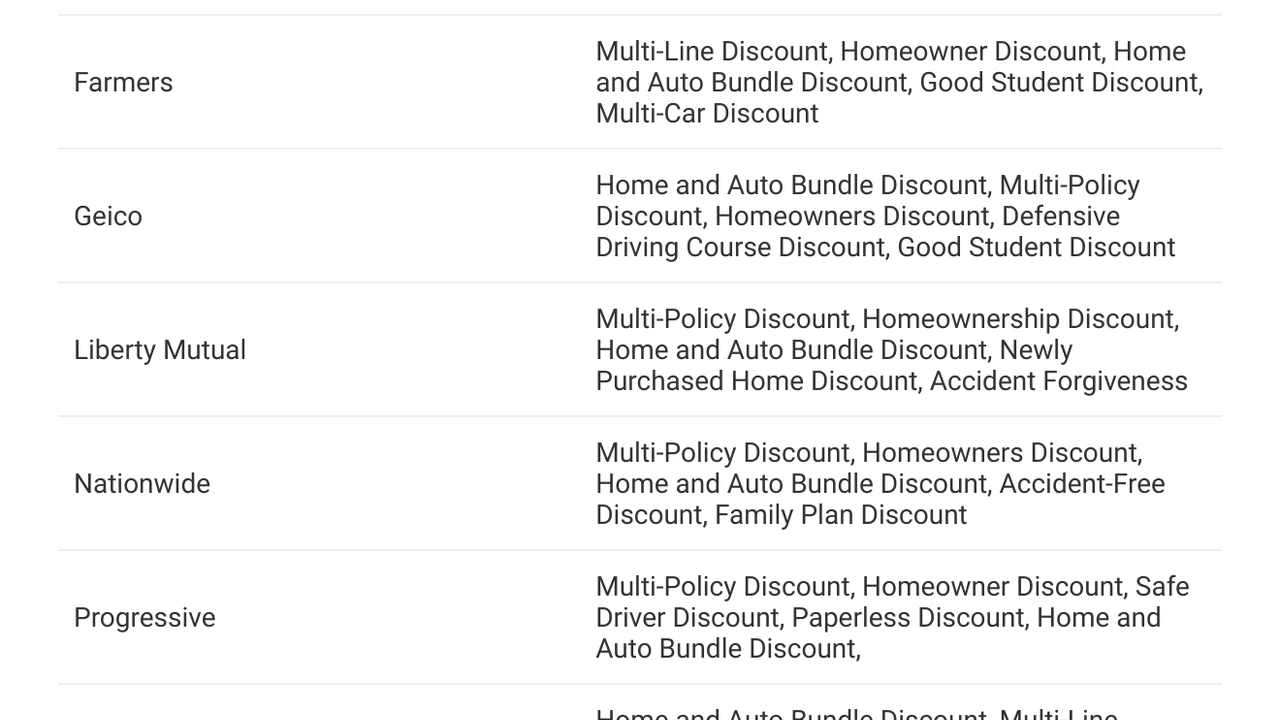
Example Product Type: Carriers known for strong bundling options include Farmers, Travelers, and USAA (for military families). When getting quotes, always ask about multi-policy discounts. You might find that a $500 deductible on your auto policy, combined with a home insurance bundle, results in a lower total monthly payment than a $1,000 auto deductible with separate policies.
Comparing Different Deductible Options and Their Long-Term Financial Implications
Let's do a quick comparison to really drive home the financial implications over time. We'll look at two drivers over a 5-year period, assuming one claim in that time for $3,000 in damages.
| Factor | Driver A (Low Deductible) | Driver B (High Deductible) |
|---|---|---|
| Collision/Comprehensive Deductible | $500 | $1,500 |
| Estimated Monthly Premium | $120 | $90 |
| Annual Premium Cost | $1,440 | $1,080 |
| Total Premium Over 5 Years | $7,200 | $5,400 |
| Out-of-Pocket for 1 Claim ($3,000 damage) | $500 | $1,500 |
| Total Cost Over 5 Years (Premium + Claim) | $7,700 | $6,900 |
In this example, Driver B, with the higher deductible, saves $800 over five years, even with one claim. This illustrates that if you don't file claims frequently, a higher deductible can indeed save you money in the long run. However, if Driver A had two claims in that period, their total cost would be $8,200 ($7,200 + $500 + $500), while Driver B's would be $8,400 ($5,400 + $1,500 + $1,500). The math changes based on your claims frequency.
Understanding Special Deductibles and Zero Deductible Options
While most deductibles are straightforward, some policies offer variations:
Disappearing Deductibles and Auto Insurance Savings
Some insurers offer a 'disappearing deductible' or 'vanishing deductible' program. With this feature, your deductible amount decreases over time for every year you go without filing a claim. For example, your $500 deductible might decrease by $50 each year you're claim-free, eventually reaching $0. This is a great incentive for safe drivers and can be a valuable perk. Companies like Allstate and Liberty Mutual have offered similar programs.
Zero Deductible Options for Auto Glass Repair and Replacement
Many comprehensive policies offer a separate, often zero-dollar, deductible for auto glass repair or replacement. This means if your windshield gets chipped or cracked, you might not have to pay anything out of pocket to get it fixed. This is a common feature, especially in areas prone to hail or road debris. Always check if your comprehensive coverage includes this benefit, as it can save you hundreds of dollars for a common type of damage.
Deductible Waivers for Specific Scenarios in Auto Insurance
In some cases, your deductible might be waived. For instance, if you're involved in an accident and the other driver is clearly at fault, and their insurance company accepts liability, your deductible might be waived by your own insurer (they'll recover the costs from the at-fault party). Some policies also offer 'accident forgiveness' which, after a certain period, might waive your deductible for your first at-fault accident. These are policy-specific features, so always read your policy documents carefully or ask your agent.
Tips for Reviewing and Adjusting Your Auto Insurance Deductible Annually
Your life changes, and so should your insurance! It's a good idea to review your deductible choice at least once a year, especially during your policy renewal. Here's what to consider:
- Life Changes: Did you get a raise? Pay off debt? Build up your emergency fund? These financial improvements might mean you can comfortably afford a higher deductible, leading to lower premiums. Conversely, if your financial situation has tightened, a lower deductible might be more appropriate.
- Vehicle Changes: Did you buy a new car? Sell an old one? The value of your vehicle directly impacts the relevance of your deductible.
- Driving Habits: Are you driving less now that you work from home? Or more because of a new commute? Changes in your driving exposure can influence your risk assessment.
- Shop Around: Don't be afraid to get quotes from different insurance providers with various deductible amounts. The market is competitive, and you might find a better deal elsewhere.
Remember, your deductible is a powerful tool in managing your auto insurance costs. By understanding how it works and carefully considering your personal circumstances, you can make an informed decision that protects both your vehicle and your bank account. Drive safe out there!
:max_bytes(150000):strip_icc()/277019-baked-pork-chops-with-cream-of-mushroom-soup-DDMFS-beauty-4x3-BG-7505-5762b731cf30447d9cbbbbbf387beafa.jpg)