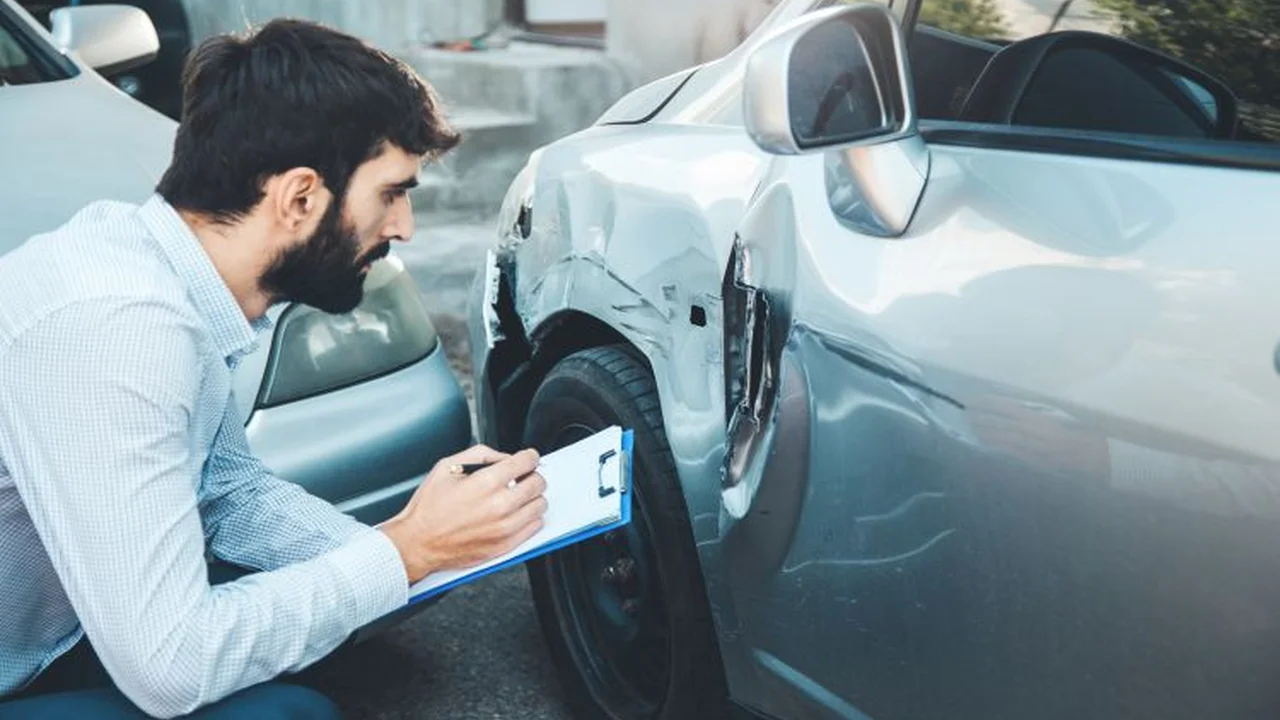
The Ultimate Guide to Filing an Auto Insurance Claim
Access the ultimate guide to filing an auto insurance claim. Understand the process from initial report to settlement and repair.
Access the ultimate guide to filing an auto insurance claim. Understand the process from initial report to settlement and repair.
The Ultimate Guide to Filing an Auto Insurance Claim
Understanding the Auto Insurance Claim Process Step by Step
So, you've been in an accident. It's a stressful situation, no doubt. But knowing how to navigate the auto insurance claim process can make a world of difference. This isn't just about getting your car fixed; it's about protecting your rights, ensuring you get a fair settlement, and getting back on the road as smoothly as possible. We're going to break down everything you need to know, from the moment an accident happens to the final repair and settlement.
First things first, safety is paramount. After an accident, check for injuries to yourself and any passengers. If anyone is hurt, call emergency services immediately. Once everyone's safety is secured, you can start thinking about the claim. Don't panic. Take a deep breath. This guide is here to help you every step of the way.
Immediate Actions After an Auto Accident Essential Steps
What you do in the moments and hours following an accident can significantly impact your insurance claim. These immediate actions are crucial for gathering evidence and protecting yourself legally.
Ensuring Safety and Calling Emergency Services
As mentioned, your health and the health of others involved are the top priority. If there are any injuries, or if the accident is severe, call 911 (or your local emergency number) right away. Even if injuries seem minor, it's always best to get checked out by medical professionals. Some injuries, like whiplash, might not manifest immediately.
Exchanging Information with Other Drivers and Witnesses
Once it's safe to do so, exchange information with the other driver(s) involved. This includes:
- Full name and contact information
- Insurance company and policy number
- Driver's license number
- Vehicle make, model, year, and license plate number
If there are any witnesses, politely ask for their contact information as well. Their unbiased account can be invaluable if there's a dispute about who was at fault.
Documenting the Accident Scene Photos and Videos
This is where your smartphone becomes your best friend. Take as many photos and videos as possible. Capture:
- Damage to all vehicles involved from multiple angles
- The position of the vehicles after the accident
- Skid marks, debris, and any other relevant road conditions
- Traffic signs, signals, and road markings
- Weather conditions
- Any visible injuries
The more visual evidence you have, the stronger your claim will be. Don't rely solely on the police report; your own documentation provides a personal and comprehensive record.
Reporting the Accident to the Police and Obtaining a Police Report
Even if the accident seems minor, it's often a good idea to call the police. A police report provides an official, unbiased account of the incident, which insurance companies often require. Make sure to get the police report number and the contact information for the responding officer. This report will be a key piece of evidence in your claim.
Notifying Your Auto Insurance Company Promptly
Once you've handled the immediate aftermath, your next step is to contact your insurance company. Don't delay this. Most policies require you to report an accident within a certain timeframe.
Understanding Your Policy Coverage Before Filing a Claim
Before you even call, it's a good idea to have a basic understanding of your policy. Do you have collision coverage? Comprehensive? What's your deductible? Knowing these details will help you understand what to expect and what questions to ask your insurer. If you're unsure, your insurance agent can walk you through it.
The Initial Call What to Expect and What to Say
When you call your insurance company, you'll typically speak with a claims representative. Be prepared to provide:
- Your policy number
- The date, time, and location of the accident
- A brief description of what happened
- Information about the other driver(s) and vehicles involved
- Details about any injuries
Stick to the facts. Don't admit fault, even if you think you might be. Let the insurance companies investigate and determine liability. They will open a claim and assign a claims adjuster to your case.
Working with Your Claims Adjuster Maximizing Your Settlement
The claims adjuster is the person from your insurance company (or the other driver's) who will investigate the accident, assess damages, and determine the settlement amount. This relationship is crucial.
Providing Necessary Documentation and Evidence
Your adjuster will ask for all the documentation you've collected: photos, videos, police report, witness statements, and any medical records if there were injuries. Provide everything promptly and keep copies for your own records. The more organized you are, the smoother the process will be.
Understanding Vehicle Damage Assessment and Repair Options
The adjuster will arrange for your vehicle to be inspected to assess the damage. This might involve taking it to a preferred repair shop or having an adjuster come to you. They will then provide an estimate for repairs. You have the right to choose your own repair shop, even if your insurer recommends one. Get multiple estimates if you're not comfortable with the first one. Ensure the estimate covers all damages, including hidden ones.
Negotiating Your Settlement Tips for a Fair Outcome
The first offer from the insurance company might not be the best offer. Be prepared to negotiate. If you believe the offer is too low, provide evidence to support your position. This could include additional repair estimates, medical bills, or documentation of lost wages. Don't be afraid to push back. If you're struggling, consider consulting with a public adjuster or an attorney, especially for complex claims or significant injuries.
Dealing with Injuries and Medical Bills Auto Insurance Claims
If you or your passengers sustained injuries, this adds another layer of complexity to the claim. Medical expenses can quickly add up, so it's important to understand how your insurance will cover them.
Personal Injury Protection PIP and Medical Payments Coverage MedPay
Depending on your policy and state, you might have Personal Injury Protection (PIP) or Medical Payments (MedPay) coverage. These cover medical expenses for you and your passengers, regardless of who was at fault. PIP can also cover lost wages and other related expenses. Understand the limits of these coverages.
Navigating Health Insurance and Auto Insurance for Medical Costs
Often, your health insurance will be the primary payer for medical bills, with your auto insurance acting as secondary. However, this can vary. It's crucial to understand the coordination of benefits between your health and auto insurance providers to avoid unexpected out-of-pocket costs. Keep meticulous records of all medical appointments, treatments, and bills.
Seeking Legal Counsel for Serious Injuries and Complex Claims
If you've suffered serious injuries, or if the other party's insurance company is being difficult, it's highly advisable to consult with a personal injury attorney. They can help you understand your rights, negotiate with insurance companies, and ensure you receive fair compensation for medical bills, lost wages, pain, and suffering.
Understanding Different Types of Auto Insurance Claims
Not all claims are created equal. The type of claim you file depends on the circumstances of the incident.
Collision Claims When You Hit Another Vehicle or Object
Collision coverage pays for damage to your vehicle if you hit another car, a tree, a pole, or another object, regardless of who is at fault. You'll typically pay your deductible, and your insurer will cover the rest up to your policy limits.
Comprehensive Claims Non Collision Incidents
Comprehensive coverage handles damage to your vehicle from non-collision events. This includes theft, vandalism, fire, falling objects (like a tree branch), and natural disasters (hail, flood, wind). Again, a deductible usually applies.
Liability Claims When You Are At Fault for Damages
If you are at fault for an accident, your liability coverage kicks in. Property damage liability pays for damage to the other driver's vehicle or property, while bodily injury liability covers their medical expenses and lost wages. This coverage protects you from being personally responsible for these costs.
Uninsured Underinsured Motorist Claims Protecting Yourself
Uninsured Motorist (UM) and Underinsured Motorist (UIM) coverage protects you if you're hit by a driver who doesn't have insurance or doesn't have enough insurance to cover your damages. UM/UIM can cover your medical bills, lost wages, and sometimes even property damage, depending on your state and policy.
Common Challenges in Auto Insurance Claims and How to Overcome Them
The claims process isn't always smooth sailing. You might encounter some hurdles, but knowing how to address them can save you a lot of headaches.
Dealing with Denied Claims and Appeals
If your claim is denied, don't give up immediately. Ask your insurer for a detailed explanation of the denial. Review your policy carefully to ensure the denial is legitimate. You have the right to appeal the decision. Gather additional evidence, write a formal appeal letter, and be persistent. If necessary, contact your state's department of insurance or seek legal advice.
Disputes Over Fault and Liability
Sometimes, there's a disagreement about who caused the accident. This is where your documentation (photos, police report, witness statements) becomes critical. Your insurance company will investigate, but if you feel they're not representing your interests, you might need to provide more evidence or even consider legal action.
Lowball Settlement Offers and Negotiation Tactics
Insurance companies are businesses, and they aim to minimize payouts. It's common to receive an initial offer that's lower than what you deserve. Don't accept it without careful consideration. Research fair market values for repairs, document all your expenses (medical, lost wages, rental car), and be prepared to negotiate. Clearly articulate why you believe their offer is insufficient and back it up with evidence.
Delays in the Claims Process What to Do
Claims can sometimes drag on, which is frustrating, especially if you need your car for work or daily life. If you experience unreasonable delays, regularly follow up with your claims adjuster. Document every communication. If delays persist, escalate the issue to a supervisor or contact your state's insurance department. They can often intervene on your behalf.
Specific Products and Services to Assist with Auto Insurance Claims
While your insurance company handles the core claim, several products and services can make the process easier, more efficient, and ensure you get a fair outcome. These aren't always directly offered by your insurer but can be invaluable tools.
Dash Cams Your Unbiased Witness on the Road
A dash cam is arguably one of the best investments you can make for accident documentation. It provides irrefutable video evidence of what happened, which can be crucial in determining fault and speeding up your claim. Imagine a scenario where another driver lies about the accident – your dash cam footage can instantly clear things up.
Recommended Dash Cam Products and Features
- VIOFO A129 Pro Duo: This is a popular choice for its excellent 4K front camera and 1080p rear camera, providing comprehensive coverage. It features GPS logging, parking mode (to record incidents while parked), and a supercapacitor for better heat resistance. Price: Around $250-$300.
- Garmin Dash Cam 67W: Known for its compact size and wide 180-degree field of view, capturing more of the road. It offers voice control, automatic incident detection, and cloud storage options. Price: Around $200-$250.
- BlackVue DR900X-2CH Plus: A premium option with 4K front and 1080p rear recording, excellent low-light performance, and advanced parking mode features. It also offers cloud connectivity for remote viewing and notifications. Price: Around $400-$500.
Usage Scenarios and Benefits
Dash cams are useful in almost any accident scenario, especially hit-and-runs, disputes over traffic violations, or proving you weren't at fault. They can also deter vandalism in parking lots with their parking mode features. The upfront cost is minimal compared to the potential savings and peace of mind they offer during a claim.
Accident Reporting Apps Streamlining Information Gathering
Several mobile apps are designed to help you collect and organize accident information right at the scene. These apps often guide you through the necessary steps, ensuring you don't miss crucial details.
Popular Accident Reporting Apps and Their Advantages
- WreckCheck (National Association of Insurance Commissioners): A free app that provides a step-by-step guide for what to do after an accident, including collecting information, taking photos, and creating an accident report. It's straightforward and reliable.
- Accident Report (various developers): Many third-party apps offer similar features, often with customizable checklists and the ability to generate a PDF report. Look for apps with good reviews and a user-friendly interface.
How These Apps Compare to Manual Documentation
While you can manually document everything, these apps provide a structured approach, reducing the chance of forgetting important details in a stressful situation. They often have fields for all necessary information, making it easy to compile a comprehensive report for your insurer.
Telematics Devices and Apps Proving Your Driving Habits
While primarily used for discounts, telematics devices (often provided by insurers or third-party apps) can sometimes offer data that supports your claim, especially if there's a dispute about speed or braking before an accident.
Examples of Telematics Programs and Their Relevance to Claims
- Progressive Snapshot: A device or app that monitors driving behavior. While its main goal is to offer discounts, the data collected (speed, hard braking, time of day) could potentially be used to corroborate your account of an accident.
- State Farm Drive Safe & Save: Similar to Snapshot, this program uses a device or app to track driving. The data could provide objective information about your vehicle's movement leading up to an incident.
Considerations for Data Privacy and Claim Usage
It's important to understand the privacy implications of telematics. While the data could help your claim, it could also potentially be used against you if it shows risky driving behavior. Always read the terms and conditions carefully before opting into such programs.
Legal Consultation Services When to Seek Professional Help
For complex claims, significant injuries, or disputes with your insurance company, legal counsel can be invaluable. Personal injury attorneys specialize in navigating these situations.
Finding a Reputable Personal Injury Attorney
Look for attorneys with experience in auto accident claims, good client reviews, and a clear fee structure (often contingency-based, meaning they only get paid if you win). Websites like Avvo or your state bar association can help you find qualified professionals.
Benefits of Legal Representation in Auto Accident Claims
An attorney can:
- Negotiate with insurance companies on your behalf.
- Gather additional evidence and expert testimony.
- Ensure you receive fair compensation for all damages, including pain and suffering.
- Represent you in court if a settlement cannot be reached.
The Aftermath and Beyond Post Claim Considerations
Once your claim is settled and your car is repaired, there are still a few things to keep in mind.
Monitoring Your Insurance Rates After a Claim
An at-fault accident can lead to an increase in your insurance premiums. Keep an eye on your renewal notices. If your rates jump significantly, it might be time to shop around for new quotes. Some insurers offer accident forgiveness, which can prevent your rates from increasing after your first at-fault accident.
Maintaining Records for Future Reference
Keep all documentation related to your claim – police reports, repair estimates, medical bills, communication with your insurer – for several years. This can be useful if any issues arise later or if you need to reference the incident for other reasons.
Preventative Measures to Avoid Future Accidents and Claims
The best way to deal with an auto insurance claim is to avoid having one in the first place! Practice defensive driving, avoid distractions, maintain your vehicle, and always adhere to traffic laws. Consider taking a defensive driving course; some insurers even offer discounts for completing one.
Navigating an auto insurance claim can feel overwhelming, but by understanding the process, documenting everything, and knowing when to seek professional help, you can ensure a smoother experience and a fair outcome. Stay informed, stay prepared, and drive safely!
:max_bytes(150000):strip_icc()/277019-baked-pork-chops-with-cream-of-mushroom-soup-DDMFS-beauty-4x3-BG-7505-5762b731cf30447d9cbbbbbf387beafa.jpg)